
Police found a cancer patient bound and both victims shot in the head inside a senior apartment in East Harlem, with no gun recovered.
Story Snapshot
- Officers found a 66-year-old man bound and both victims fatally shot in the head.
- No firearm was recovered, and police are treating it as a double homicide.
- A police source said the case began as a robbery, but motive is not officially set.
- A missed work shift triggered a welfare check that led police to the scene.
What Police Found Inside the East Harlem Apartment
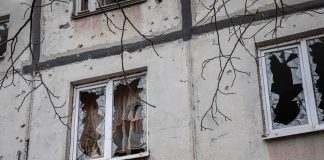
New York City police responded to a welfare check at a senior housing apartment on Second Avenue in East Harlem in early November. Officers found 66-year-old Miguel Severino-Tatis and 55-year-old Yocasta Espina-Espinal dead from gunshot wounds to the head. Reporters said Severino-Tatis was discovered bound inside the unit. No firearm was found in the home, so detectives are treating the case as a double homicide rather than a murder-suicide.
Relatives and colleagues identified Espina-Espinal as a home health aide who worked in the building. Police were called after she failed to arrive for another assignment that day. That missed shift led to a welfare check, which is when officers say they discovered both bodies in the apartment. Family members described Espina-Espinal as weeks from retirement in separate coverage, underscoring the shock to loved ones and co-workers.
Investigative Focus and Early Theory on Motive
A police source told reporters the case began as a robbery. Investigators believe Severino-Tatis was being robbed when Espina-Espinal entered the apartment, according to that account. However, detectives had not officially announced a motive in other reporting, which said the motive was still undetermined at that time. That difference reflects an early working theory from one source, not a formal New York City Police Department statement.
Police had not announced any arrests in the days after the discovery. Reports did not cite public evidence about stolen items, forced entry, or suspect descriptions. The absence of the gun focuses attention on who entered the apartment and how the shooter left. Detectives often seek surveillance video, building access logs, and witness tips in cases like these, especially in multi-unit buildings with cameras and elevators.
Security, Vulnerable Residents, and Public Trust
The apartment is part of senior housing, where residents often rely on caregivers and stable building security. People across the political spectrum worry when basic safety fails in places meant to protect the elderly and the sick. Families want working cameras, working locks, and quick police follow-up when something goes wrong. When the landlord or the New York City Housing Authority declines comment, it limits what the public can confirm about building safeguards and coverage.
🚨 DOUBLE HOMICIDE IN EAST HARLEM
A 55-year-old home health aide and a 66-year-old man were found shot in the head inside an apartment on E. 104th St.
The man was reportedly tied up. No gun was recovered.
💔 The woman was set to retire in December.
Police are investigating. pic.twitter.com/UkFwpKhMts
— UnfiltNY | NYC News (@UNFILTNY1) November 8, 2026
City crime statistics show fewer murders citywide in recent periods, but single cases like this still cut deep in the neighborhood. Clearance rates for robberies run lower than for murders, which can slow closure when cases start as thefts that turn violent. That is why early facts matter. Binding at the scene and no recovered gun point to homicide. A welfare check explains the timing. A robbery motive may fit the pattern, but it remains an investigative theory until police say otherwise in an official update.
Sources:
nypost.com, nydailynews.com, bronx.news12.com, newyork.news12.com, abc7ny.com, pix11.com, hudsonvalley.news12.com, nyc.gov