

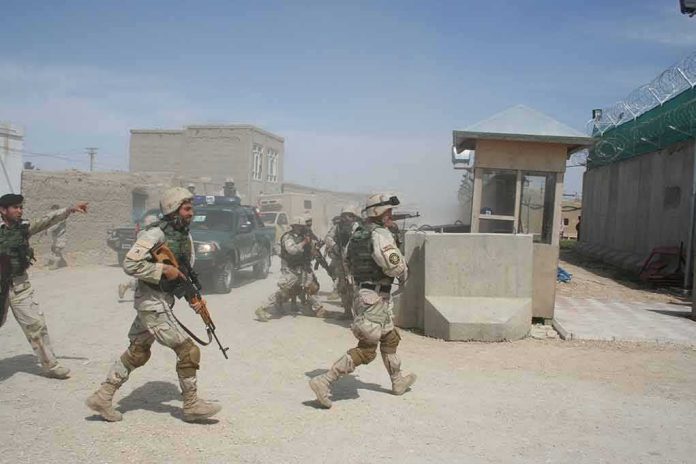
Renewed fighting in Ethiopia’s Tigray region has shattered the 2022 Pretoria peace deal and raised fears of a wider regional war.
Story Snapshot
- Ethiopia’s president called the clashes the most serious test of the Pretoria Agreement to date.
- Analysts warn the conflict could pull in neighbors and disrupt Red Sea trade routes.
- The deal paused war but left core disputes over security and governance unresolved.
- A new rebel alliance has vowed to overthrow the federal government, heightening risk.
What Happened And Why It Matters Now
Reuters reported that hours after fighting restarted in Tigray, Ethiopia’s president told the United Nations the country had shown “immense restraint,” but said the clashes pose the most serious challenge yet to the 2022 Pretoria Agreement. The renewed war breaks a truce that ended a deadly two-year conflict between federal forces and the Tigray People’s Liberation Front. The return to combat threatens fragile calm in a country of more than 120 million people.
The Pretoria deal stopped large-scale fighting but did not settle key questions. Security control in disputed areas, how to disarm fighters, and how to share power remained unsettled. A year after the signing, experts warned the ceasefire had not delivered real peace because the hardest political work was still undone. When those gaps met new armed mobilization, the risk of relapse grew. That is the pattern many war-to-truce cycles follow.
Regional Stakes And Risk Of Spillover
Renewed fighting comes as ties between Ethiopia and Eritrea have worsened and Sudan remains at war, raising fears that clashes could spill across borders. The Horn of Africa sits beside key Red Sea shipping lanes that carry energy and goods. Wider conflict could strain trade routes and aid flows. Reports and commentary have also tracked charges and denials over outside support to armed groups, which can turn local fights into regional contests.
The emergence of a coalition of seven Ethiopian rebel groups has added fuel. The alliance, announced in late September, says it aims to overthrow the federal government led by Prime Minister Abiy Ahmed, increasing the pressure on Addis Ababa and complicating any talks. Such coalitions can widen fronts, stretch security forces, and make a single peace track harder to build. That risk grows when local militias and regional forces pursue different goals.
How The Peace Deal Frayed On The Ground
Field reports since 2023 described flashpoints left unresolved by the ceasefire, including disputed districts between Amhara and Tigray and the role of non-federal forces near Tigray’s borders. The United States human rights report for 2023 noted the cessation of hostilities held that year, but abuses and implementation gaps persisted. Those gaps eroded trust. As budgets, salaries, and security arrangements stalled, both sides accused the other of violating terms, and local commanders prepared for the worst.
The renewed conflict between Ethiopia and Tigray shows that a peace agreement cannot endure on signatures alone; it requires implementation, trust, and inclusive dialogue. Ethiopia’s federal government and Tigray’s leaders must put civilian safety ahead of armed conflict and…
— Khalid bullo (@Khalidbullo16) October 2, 2026
The United Nations has backed African Union efforts to cool tensions and push the Pretoria framework forward, but fighting has outrun diplomacy on the ground. When deals pause gunfire without synchronized disarmament, reintegration, and political dialogue, armed actors can remobilize fast. Ethiopia’s relapse follows that script. Getting back to talks will likely require verified security steps, access for aid, and a clear roadmap that answers who controls what, and when.
Why Americans Should Care
War in Ethiopia can drive new refugee flows, strain aid budgets, and unsettle a trade artery that touches fuel and shipping costs worldwide. Both conservatives and liberals worry when global crises raise prices and pull tax dollars from needs at home. This conflict also shows what happens when leaders sign big promises but do not fix core problems. Americans see that pattern in Washington too: deals without follow-through that leave working families to absorb the fallout.
What To Watch Next
Watch whether fighting spreads beyond Tigray and whether Eritrea or regional militias join in openly. Track if Addis Ababa and Tigrayan leaders accept a monitored security pause that lets aid move. Look for concrete steps on disputed areas and on how fighters disarm and rejoin civilian life. If those pieces start to move, the guns may quiet. If not, the war could widen and push the Horn of Africa closer to a broader crisis.
Sources:
theamericanconservative.com, reuters.com, allafrica.com, omnatigray.org, riftvalley.net, eastleighvoice.co.ke, cfr.org, riotimesonline.com