
Mexican cartel drones breached American airspace over El Paso, Texas, forcing an unprecedented shutdown of a major U.S. city’s skies in the first closure of its kind since the terror attacks of September 11, 2001.
Story Snapshot
- FAA closed El Paso airspace for 10 days on February 10 after Mexican cartel drones violated U.S. airspace, halting all flights including emergency medical evacuations
- Department of War neutralized the cartel drone threat within hours, prompting FAA to rescind the restriction on February 11
- Local officials expressed outrage over lack of coordination, with Mayor Renard Johnson condemning the failure to notify emergency services
- The incident marks an escalation in cartel aggression along the southern border, exposing dangerous gaps in civilian-military coordination during national security operations
Cartel Drones Force Historic Airspace Shutdown
The FAA issued a temporary flight restriction over El Paso, Texas, on February 10, 2026, at 11:30 p.m. MST, closing a 10-nautical-mile radius around El Paso International Airport from ground level to 17,000 feet. The restriction halted all aircraft operations including commercial flights, cargo operations, general aviation, and critically, emergency medical helicopters. U.S. Transportation Secretary Sean Duffy confirmed Mexican cartel drones had penetrated American airspace, prompting the Department of War to take action. The closure affected the nation’s 23rd largest city and extended into southern New Mexico near Santa Teresa, grounding a major metropolitan area without warning.
JUST IN: Cartel Drone Breach of US Airspace Responsible for Closure of El Paso, TX Airspace – FAA Rescinds 10-Day Closure After Threat "Neutralized" | The Gateway Pundit | by Jordan Conradson https://t.co/12VcxGiKJL
— RedState (@BordersUSA) February 11, 2026
Swift Military Response Ends Border Threat
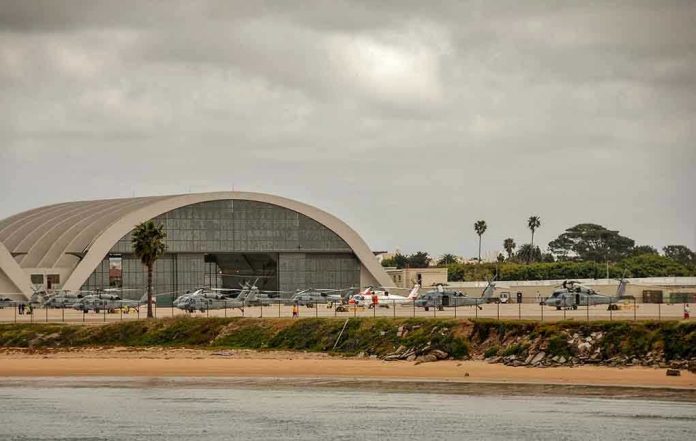
The Department of War disabled the cartel drones within hours of the airspace closure, demonstrating the administration’s commitment to protecting American territory from foreign criminal organizations. Secretary Duffy announced on February 11 that federal authorities determined no ongoing threat existed to commercial travel, allowing the FAA to lift the restriction. The rapid neutralization showcased effective interagency coordination between military and civilian aviation authorities. Operations at Fort Bliss and Biggs Army Airfield, located near El Paso International Airport, played a central role in the counter-drone response. The swift resolution prevented what could have been a 10-day economic and safety catastrophe for the border community.
Federal Overreach Blindsides Local Officials
El Paso Mayor Renard Johnson condemned the FAA’s failure to notify city officials before implementing the sweeping airspace ban, which left emergency services scrambling. Medical evacuation flights were diverted to Las Cruces, and police and fire department drones remained grounded during the restriction. Congresswoman Veronica Escobar and Congressman Tony Gonzales both expressed frustration at the lack of coordination, with Escobar noting residents faced no direct community threat. The incident exposed a troubling pattern of federal agencies prioritizing operational security over transparency with local stakeholders. This represents yet another example of bureaucratic dysfunction that puts Americans at risk, reminiscent of the coordination failures conservatives have long criticized in Washington’s bloated agencies.
Border Security Crisis Reaches New Heights
Cartel drone incursions have escalated dramatically along the southern border since 2020, with criminal organizations employing sophisticated unmanned aircraft for smuggling and surveillance operations. A similar airspace closure occurred in neighboring Hudspeth County in November 2025, indicating a pattern of cartel aggression in the region. The February incident marks the first time cartel drones prompted a military response significant enough to shut down airspace over a major American city. This escalation underscores the ongoing border security failures that plagued the previous administration, where cartels operated with near impunity. President Trump’s renewed focus on border enforcement through military assets at Fort Bliss demonstrates the serious approach required to combat transnational criminal organizations threatening American sovereignty and citizen safety.
Lessons Learned Demand Better Protocols
Aviation experts noted the El Paso closure represented an unprecedented action not seen since post-9/11 restrictions, with one FAA-briefed source emphasizing the sweeping nature of halting even law enforcement and medical flights. The incident sets a concerning precedent for federal preemption in border regions where military operations against cartels may conflict with civilian aviation needs. Local leaders now demand improved communication protocols to prevent future surprises that endanger public safety and economic activity. The bipartisan criticism from both Escobar and Gonzales signals unified local resistance to federal overreach without proper coordination. Moving forward, the Trump administration must balance aggressive cartel countermeasures with transparent communication to protect both national security and constitutional principles of local governance and citizen safety.
Sources:
FAA grounds all flights to and from El Paso until Feb. 20 – KFOX14
El Paso air space closed by FAA – Texas Tribune