

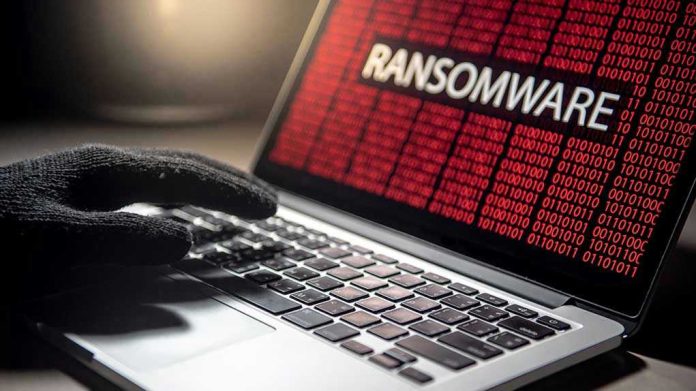
American businesses are being forced into shadowy negotiations with foreign cybercriminals who hold their data hostage, exposing a dangerous underground economy that threatens national security and rewards international crime syndicates.
Story Overview
- Ransomware groups now demand millions from U.S. companies using sophisticated extortion tactics including data theft and public shaming
- Foreign criminal organizations operate with impunity from countries like Russia, targeting American critical infrastructure and healthcare systems
- Law enforcement has disrupted major operations like LockBit and Hive, saving over $130 million, but criminals quickly adapt with new methods
- Companies face an impossible choice: pay criminals and fund further attacks, or refuse and risk operational shutdowns and data leaks
The Evolution of Digital Extortion
Ransomware has transformed from simple computer viruses into a sophisticated criminal enterprise targeting American businesses. What began in 1989 with the AIDS Trojan demanding $189 via mail has evolved into multimillion-dollar extortion schemes. Modern ransomware groups like LockBit, Cl0p, and DarkSide operate Ransomware-as-a-Service platforms, allowing criminal affiliates to launch attacks against American companies while the masterminds collect profits from overseas safe havens.
These criminal organizations have perfected “big game hunting,” specifically targeting large American corporations, hospitals, and critical infrastructure. The 2021 Colonial Pipeline attack demonstrated the devastating impact when DarkSide criminals shut down fuel supplies across the Eastern United States, forcing a $5 million ransom payment that funded further criminal activities.
Triple Extortion Tactics Targeting American Businesses
Foreign ransomware groups now employ triple extortion tactics against American victims. First, they encrypt company data to halt operations. Second, they steal sensitive information and threaten public release to damage reputations and trigger regulatory penalties. Third, they launch distributed denial-of-service attacks to further pressure victims. This escalation demonstrates how international criminals systematically exploit American business vulnerabilities while operating beyond U.S. law enforcement reach.
The Snatch ransomware group exemplifies this predatory behavior by specifically targeting cyber insurance relationships. They publish victim information to securities regulators, attempting to block insurance payouts and force direct payments to criminals. This tactic undermines the insurance industry’s ability to protect American businesses from foreign cyber threats.
Law Enforcement Strikes Back
The FBI and international partners have achieved significant victories against these criminal enterprises through innovative infiltration tactics. The January 2023 takedown of the Hive ransomware group saved American businesses over $130 million by providing decryption keys to more than 300 victims. Operation Cronos dismantled LockBit’s infrastructure, seizing 34 servers and disrupting their criminal operations.
These successes demonstrate that aggressive law enforcement action, rather than negotiation with criminals, provides the most effective defense for American businesses. However, the Ransomware-as-a-Service model allows criminals to quickly rebuild operations using new infrastructure and recruit fresh affiliates, creating an ongoing national security challenge that requires sustained vigilance.
The Cost of Capitulation
Every ransom payment to foreign criminals directly funds expanded operations against American targets. The Hive group alone extorted over $100 million before law enforcement intervention, money that enabled recruitment of additional affiliates and development of more sophisticated attack methods. Payment also signals vulnerability, often resulting in repeat attacks against the same victims.
Companies like Rackspace in March 2025 demonstrate the proper response by refusing to negotiate with Cl0p criminals despite threats of data publication. This principled stance, while costly short-term, denies funding to international crime syndicates and reduces incentives for future attacks against American businesses. The research shows that robust backup systems and incident response planning provide better protection than capitulation to criminal demands.
Sources:
History of Ransomware – Zenarmor Network Security Tutorials
The History of Ransomware – Arctic Wolf
The History and Evolution of Ransomware Attacks – Flashpoint











![[NEW RESEARCH] When the Chatbot is the Predator (Mini](https://usnewsnetwork.org/wp-content/uploads/sites/5/2026/02/NEW-RESEARCH-When-the-Chatbot-is-the-Predator-Mini-100x70.jpeg "AI Chatbots: The Silent Threat to Childhood")