

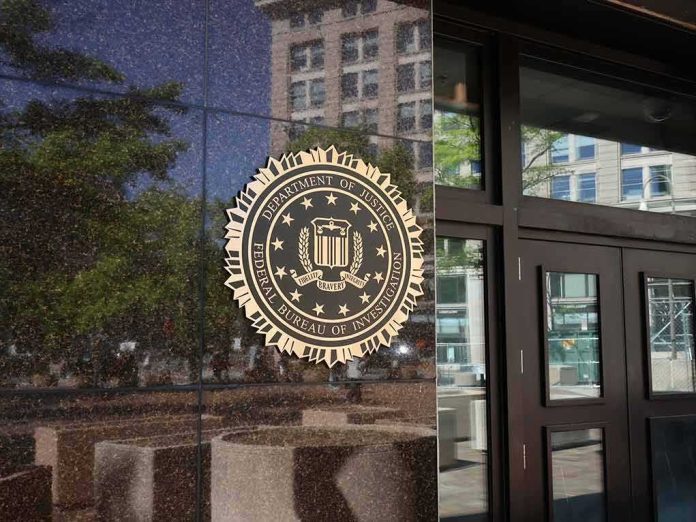
A U.S. court sentenced a Syrian hacker to 42 months for helping a regime-linked group target Western media, businesses, and nonprofits.
Story Highlights
- Federal judges in Virginia sentenced Ahmad Umar Agha to 42 months in prison.
- Prosecutors said the conspiracy was organized by insiders tied to Bashar al-Assad’s circle.
- Targets included Western news outlets, companies, and nongovernmental groups.
- The case fits a wider pattern of state-linked cyber operations using proxy hackers.
Sentence And Core Facts Of The Case
On Oct. 29, 2026, the Department of Justice said a federal court in the Eastern District of Virginia sentenced Ahmad Umar Agha to 42 months in prison. Prosecutors described him as a central player in a long-running hacking effort tied to people close to former Syrian President Bashar al-Assad. The Justice Department said the group hit Western media, businesses, and nongovernmental groups. Agha, also known as Th3Pr0, had avoided U.S. authorities for years before his case moved forward.
Prosecutors framed the operation as broad and coordinated. They said Assad-linked insiders organized the campaign and used hackers like Agha to carry out intrusions and online influence tasks. The court’s sentence marks a rare prison term in a field where many offenders stay overseas and beyond reach. The Justice Department placed this case alongside other state-linked cyber actions in public updates about national security threats and foreign operations.
How The Operation Targeted Western Institutions
Justice Department materials say the conspiracy focused on soft spots across media, commercial, and nonprofit sectors. These targets often hold sensitive contact lists, internal notes, and source data. Hackers can also twist a news brand’s social accounts to spread false messages. That mix can shape public views, scare critics, and help hostile states track perceived enemies. The department’s summary links Agha’s work to this toolbox, which blends theft, disruption, and propaganda aims.
Public reporting notes the targets included Western media outlets and nongovernmental organizations. These groups often speak against authoritarian abuses or document war crimes. That makes them tempting marks for phishing and account takeovers. When hackers steal emails or social logins, they can leak, alter, or post content under a trusted name. The department’s account places Agha inside that chain, helping push intrusions that served pro-Assad goals in the information space.
Why This Sentence Matters For U.S. Cyber Policy
The sentence signals that U.S. courts will press cases even when a conspiracy is based abroad. That matters because many cyber crimes go unpunished due to distance and jurisdiction limits. Analysts call this the prosecution gap. A 2024 review found relatively few federal sentences tied to cyber conduct compared to the scale of attacks. Each successful case can raise costs for hostile networks and show that patient, cross-border work can pay off.
Experts also describe a wider pattern: states often use proxy hackers to harass opponents, spread fear, and shape stories. Public attribution is not just a lab result. It is a process that blends technical evidence with legal and policy judgments. That mix aims to reduce doubt and warn the public, even as some details stay classified. The Agha case fits this pattern of linking named operators to state goals in a way the public can understand.
Shared Concerns: Security, Speech, And Trust
This case touches nerves across the political spectrum. People worry that foreign players can break into newsrooms and civic groups. That can chill speech, warp debate, and weaken trust. Citizens also wonder whether U.S. institutions can fight back fast enough. Here, prosecutors won a sentence against a participant in a network said to work for a foreign strongman’s allies. That is a concrete step, though it will not end the larger wave of state-linked hacking.
Readers across left and right share a question: who protects them when elites, abroad or at home, play information games? This ruling shows the system can respond. But the broader fight will need more than one conviction. It requires better security for media, businesses, and nonprofits, faster sharing of threat data, and steady, transparent cases against those who direct or enable these campaigns. That is how trust is rebuilt, one proven fact at a time.
Sources:
townhall.com, justice.gov, english.aawsat.com