

Big Sur Land Trust has handed 84 acres along Highway 68 to the Ohlone/Costanoan-Esselen Nation, turning a conservation purchase into a land return that carries major cultural and political weight.
Quick Take
- The transfer covers the Hiss Parcel, an 84-acre site near Monterey Regional Airport and Canyon Del Rey Creek.
- Big Sur Land Trust said the move restores ancestral homeland and supports Indigenous stewardship.
- The land had been bought in 2024 with help from a California State Coastal Conservancy grant.
- The deal fits a wider California pattern where trusts and public agencies help enable Indigenous land returns.
What Was Transferred
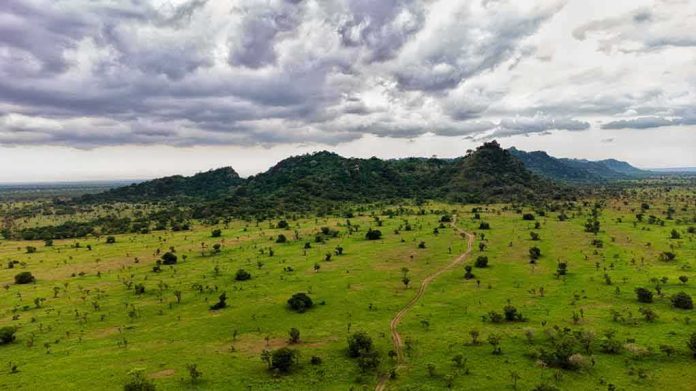
Big Sur Land Trust announced on June 29, 2026, that it is transferring the Hiss Parcel to the Ohlone/Costanoan-Esselen Nation. The group described the 84-acre site as ancestral homeland and said the return is part of a long effort to restore Indigenous care for the land. The property sits along the south side of Highway 68 near Canyon Del Rey Creek and the Monterey Regional Airport.
The land was acquired by Big Sur Land Trust in 2024 to protect its ecological and cultural value. Public records show the California State Coastal Conservancy authorized a $2.75 million grant for the purchase, with stated goals that included natural resource conservation, tribal cultural resource conservation, habitat connectivity, tribal access, and public access. Reporting from 2024 said the parcel had also been eyed for residential and commercial development before conservation efforts intervened.
Why the Return Matters
The transfer matters because it ties land protection to tribal ownership instead of leaving the property under outside control. Big Sur Land Trust said the return marks “a significant step” toward restoring Indigenous stewardship of lands that sustained Native peoples for generations. The organization also said the deal grew out of years of collaboration and a shared vision with OCEN.
For OCEN, the return also carries practical value. The site includes wetlands, grasslands, oak woodland, chaparral, and Monterey pine forest, which gives the tribe a chance to shape care of a place tied to both habitat and heritage. A 2024 state task force summary said OCEN was working with Big Sur Land Trust to secure land in Monterey and was facing added costs tied to legal work, insurance, maintenance, and a stewardship plan.
A Bigger California Pattern
This land return fits a broader California trend: conservation groups often buy sensitive land first, then work through public grants, easements, and approvals before a tribe can take ownership. That model can look different depending on the eye of the beholder. Supporters call it restorative justice. Critics often see a slow, bureaucratic process that shows how hard it still is for Native nations to regain land tied to their history.
The transfer also lands in a state where Indigenous land repatriation is still rare. Bay Nature called land repatriation unusual in the Bay Area, which helps explain why these deals draw so much attention when they happen. Big Sur has seen earlier returns to the Esselen people, including the Adler Ranch transfer in 2020, which conservation groups also framed as a landmark return of ancestral land.
That history gives the Monterey deal added meaning. It is not a simple donation and not a simple sale. It is a managed handoff shaped by conservation rules, public money, and tribal goals, with the final step now moving the land into Indigenous ownership.
Sources:
nypost.com, bigsurlandtrust.org, montereycountynow.com, montereyherald.com, shellmound.org, sgc.ca.gov, nativenewsonline.net, westernrivers.org