

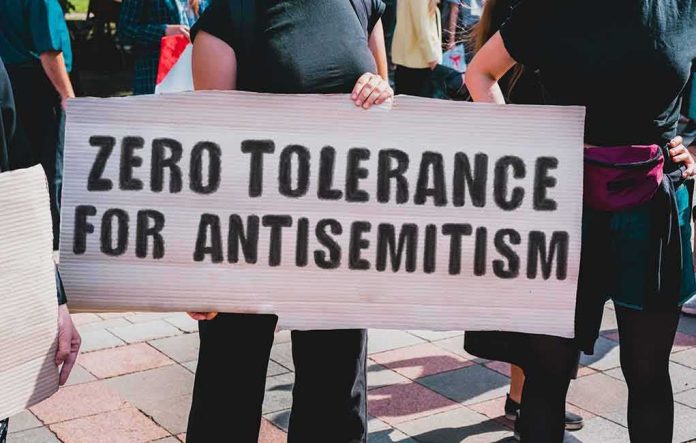
New polling shows most American Jews feel rising antisemitism even as many also blame Israeli policies for fueling it, exposing a tense split inside one community over speech, safety, and identity.
Story Highlights
- Most American Jews say antisemitism is a serious and growing problem.
- Large shares also say Israeli government actions add to antisemitism worldwide.
- Majorities see some Israel criticism crossing into antisemitic tropes.
- Debate continues over when anti-Zionism becomes antisemitism.
What New Surveys Say About Safety and Speech
Recent surveys report many Jewish adults in the United States feel less safe than a few years ago, and view antisemitism as a very serious problem. The Associated Press and the NORC Center also find the public split on what counts as antisemitic. About half say protesting a pro-Israel event is not antisemitic, while roughly four in ten say it is. These findings show a sharp divide over the line between political speech and bias, and how to protect both safety and free debate.
Polls from the Jewish Electorate Institute say most American Jews remain pro-Israel, but many also criticize the Israeli government and worry that some criticism of Israel slides into antisemitic language about Jews. The Jerusalem Post, citing recent polling, reports that two in five American Jews say Israeli government policies add “to a large extent” to rising antisemitism worldwide, a jump from the prior year. These numbers sit in tension, but they reflect a single reality: concern is high on multiple fronts.
The Fault Line: Criticism, Identity, and Antisemitism
Many Jewish respondents distinguish policy debate from hate yet still warn that familiar tropes do appear. Polling shows a large majority believe too many critics use language about “the Jews” rather than specific leaders or policies, which they see as antisemitic. At the same time, the Associated Press and NORC data show that many Jewish adults do not view criticism of Israel’s military actions as antisemitic by itself. The split underscores why the same slogan can feel like fair critique to one person and a threat to another.
American Jewish identity remains closely tied to Israel, which raises the stakes. A strong majority say that caring about Israel is important to what being Jewish means to them, even as they debate policy choices and leaders. This helps explain why rhetoric can hit so hard: when critics blur Israel with “the Jews,” many hear an attack on their identity, not only on a government. That blurring is what many call out as antisemitic, while still defending room for sharp, specific policy critique.
Why This Matters Across the Political Spectrum
The dispute lands in a broader climate where many Americans on the left and right doubt that leaders are protecting core freedoms or basic safety. People see elites scoring points while communities face real risks at schools, synagogues, and public events. These polls show fear is up, definitions are fuzzy, and trust is thin. When the rules are unclear, bad actors exploit the gray areas. That leaves regular people to argue over lines that government and civic groups have failed to clarify.
Clear standards can help. Targeting Jews as a group is hate. Naming a policy, leader, or military tactic is political speech. Most respondents seem to agree with both ideas at once, even if they weigh them differently. The data suggest three steps: define antisemitism in plain terms, separate policy talk from people, and act fast on threats. Doing so defends both safety and speech, which most Americans still want, even as they disagree on Israel.
Sources:
pjmedia.com, ap.org, theyeshivaworld.com, apnews.com