
Iran says it offered to reopen the Strait of Hormuz in seven days, but President Trump reportedly rejected the deal and signaled strikes could resume after the midterms.
Story Snapshot
- Iran proposed a seven-day, step-by-step plan tied to reopening Hormuz and restarting nuclear talks.
- Trump said he was “not satisfied” with Iran’s offer amid continued shuttle talks in New York.
- Unnamed officials said Trump rejected the offer and expected airstrikes to resume after elections.
- Talks remain far apart as Iran links Hormuz reopening to U.S. concessions and a wider cease-fire.
What Iran Put on the Table
Iran’s foreign minister outlined a seven-day framework through intermediaries at the United Nations. The plan linked a phased halt in hostilities to a reopening of the Strait of Hormuz at the end of day seven, followed by new nuclear talks. Reporting describes conditions on the United States that include easing a blockade and steps on sanctions during the initial days. The offer was conditional, not an immediate, all-sides cease-fire. Iranian officials tied any opening of Hormuz to these conditions being met.
The Strait of Hormuz is a vital oil chokepoint. Any move to reopen it could cut shipping risks and steady fuel prices. But Iran’s message was clear: no opening without concessions. That stance hardens leverage but raises doubt about follow-through. It also feeds global worry that energy costs could jump if talks stall. The conditional design mirrors past crisis bargaining where each side demands early steps from the other before making a visible move at sea.
How the White House Responded
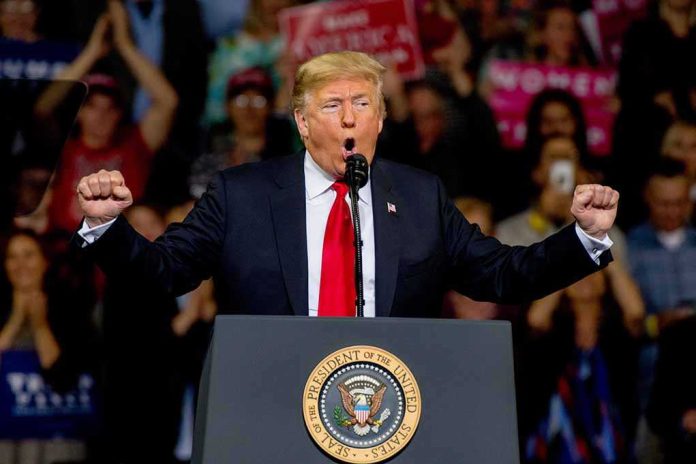
President Trump told reporters he was not satisfied with Iran’s offer and said talks would continue. Multiple outlets, citing unnamed United States officials, reported he rejected the seven-day plan and expected airstrikes to resume after the midterm elections. That claim rests on anonymous sourcing rather than a public order or memo. Still, it aligns with Trump’s public distrust of Iran’s intentions and insistence that Iran cannot obtain a nuclear weapon. Negotiations did not produce a breakthrough this week.
Anonymous-source reporting can shape public views before documents surface. In this case, there is no released draft agreement or formal United States counteroffer in public view. That leaves room for both sides to frame the same proposal as too soft or too rigid. For citizens who see “the system” as opaque and self-protecting, the secrecy reinforces a shared worry: high-stakes choices are being made out of sight, with voters left to read between the lines.
Why the Stakes Feel Bigger Than One Deal
United States–Iran bargaining often flips between big headlines and small print. Conditional, phased offers get reported as wins or walk-aways long before the text is known. This round fits that pattern. Iran wants early relief steps and a broad cease-fire that reaches beyond one front; the United States wants verifiable limits and fast de-escalation without rewarding coercion at sea. Markets, meanwhile, react to risk signals, not fine print, which hits families through fuel and shipping costs.
People on the right and left share core concerns here. Voters worry about endless wars run by elites, hidden deals that move oil prices, and decisions timed to elections, not security. They see a federal process that talks tough, hides the paperwork, and sends the bill to the public. Whether you back pressure or diplomacy, the ask is simple: show the record. Publish proposal texts, conditions, and timelines so citizens can judge trade-offs rather than guess them.
What to Watch Next
Watch for any release of a draft or mediator memo that spells out the seven-day steps. Look for a clear White House readout or a Defense Department posture update that confirms or denies planning for renewed strikes. Track whether Iran moves tankers or signals a pilot opening of Hormuz. Finally, watch oil futures and shipping insurance rates for early market verdicts. Until documents emerge, assume the deal is conditional and the gap between the sides remains wide.
Sources:
iranintl.com, nytimes.com, nypost.com, apnews.com, independent.co.uk, cbs12.com