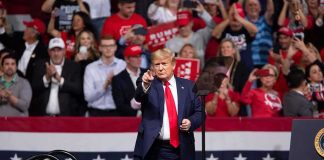

At a Mississippi rally, President Trump defended White House renovations as needed upkeep while mocking Barack Obama’s “Cheesecake Factory” jab, turning building maintenance into a midterm flashpoint.
Story Highlights
- Trump said the White House needed major cleaning and repairs, citing cracked windows and missing exterior pieces.
- Obama mocked gold décor, a new ballroom, Rose Garden changes, and a helipad, saying Trump was not focused on prices.
- Trump framed the work as stewardship of a national symbol and praised Cheesecake Factory’s business success.
- Public records so far lack independent inspection reports or project budgets to verify each claim.
What Sparked The Clash At The Rally
On October 26 in Corinth, Mississippi, President Trump spent several minutes defending renovations at the White House. He said the residence had been “dirty, filthy, dirty, and broken,” with cracked windows and exterior parts missing. He argued the White House is a symbol of America and should be kept “clean” and “pristine.” He also said this was not a “Cheesecake Factory,” adding the company is successful. His remarks directly answered Obama’s recent barbs.
Obama’s comments, captured on video, mocked Trump’s taste and priorities. He joked Trump should be on a home-improvement show and said the building looked like “Saddam Hussein opened a Cheesecake Factory.” He listed a ballroom, Rose Garden paving, a helipad, and “gold everywhere” as examples of misplaced focus during a time of high prices. The attack tied design choices to the cost-of-living message Democrats push in midterms.
What Is Documented Versus What Is Not
News outlets have described identifiable projects, including a ballroom, a helipad, exterior plaster work, landscaping changes, and Oval Office decorative additions. Those details suggest real construction is underway, not only talk. However, the public record shown so far does not include inspection reports, maintenance logs, or photos that confirm Trump’s specific descriptions of cracked windows and missing exterior elements. Nor does it show budgets, contracts, or audits that justify costs.
Because the evidence set is thin, some claims remain unverified. Trump said the White House is in the best shape since 1792, but offered no standard for that measurement. Obama said the ballroom is larger than the White House and the Rose Garden was paved over, but those lines appeared crafted for effect. The accounts document what each man said, not whether every detail is factually correct today.
Why This Fight Resonates With Voters
The White House has often stirred fights over preservation and taste. Past changes by presidents drew heat for cost or style. Truman gutted the unsafe interior and kept the exterior walls. Kennedy’s restoration drew debate over historical choices. Even small features, like a bowling alley, sparked backlash. Voters have seen this pattern for decades: a president makes changes, critics call them vanity projects, and the media amplifies the drama.
TRUMP FIRES BACK: Former President Obama launched one of his most blistering attacks yet on President Trump over the weekend, accusing his successor of unprecedented corruption, incompetence and cruelty during campaign appearances in Ohio and Michigan.
The remarks prompted a… pic.twitter.com/KUGIDsEyAo
— NEWSMAX (@NEWSMAX) October 26, 2026
Today’s argument also taps a wider anger with Washington. Many Americans believe leaders focus on optics, not hard problems like prices, health costs, and wages. Obama’s line hits that nerve. Trump’s reply, casting the work as basic stewardship, hits another: if leaders cannot care for the People’s House, can they care for the country? Both sides use symbols to frame trust and priorities in a government many see as serving the powerful first.
What Would Settle The Facts
Clear records would help. Maintenance assessments, work orders, and inspection photos from 2024 to 2026 could confirm any deterioration and repairs. Contracts, bids, and invoices could show the price and need for each project. Preservation reviews from federal design bodies could show whether required steps were followed. With those documents, voters could separate routine fixes from upgrades or décor, and judge whether spending matched real needs.
Bottom Line For Readers
Here is what is solid now: Obama mocked Trump’s renovations with vivid images, and Trump defended the work as upkeep of a national symbol. Reports note a ballroom, helipad, landscaping, and gold décor as visible changes. What is missing are independent inspections and financial records that show what was necessary, what was optional, and what it all cost. Until those appear, the debate will run on images, not proof.
Sources:
nypost.com, axios.com, washingtonexaminer.com, freep.com, nzherald.co.nz, cnn.com, youtube.com, mmajunkie.usatoday.com, academic.oup.com, britannica.com, democratandchronicle.com