
A drone dropped a paper-bag meal to a stranded chimpanzee after floodwater cut off normal access at a Florida sanctuary.
Story Snapshot
- Video shows a drone delivering food to a 38-year-old chimp named Kaleb in Fort Pierce.
- Flooding blocked roads and equipment, isolating Kaleb on an outdoor area until staff improvised.
- Sanctuary leaders said care houses on higher ground stayed secure during the flooding.
- Multiple outlets reported the same core event and location, based on sanctuary footage.
What Happened at the Sanctuary
Save the Chimps staff used a drone to deliver food to Kaleb, a 38-year-old chimpanzee at the group’s Fort Pierce sanctuary, after severe flooding made roads impassable. Video shared by the sanctuary shows a drone carrying a small paper bag and Kaleb later handling the delivered items. The Associated Press reported that floodwater stranded him on an outdoor area, while other reports described him as cut off on an island within the property. Coverage from several outlets echoed the same core facts.
Reporting described the delivered items as food, including bananas and other supplies, with some variation among outlets. One account highlighted Kaleb removing and eating a banana from the bag, confirming at least one successful drop. Another report referenced blankets and dried food during the response. The precise item list and amounts were not detailed in a single public manifest, which likely reflects quick decisions during an emergency rather than a planned delivery sequence.
Why Access Failed and How Staff Responded
Flooding damaged or disrupted the sanctuary’s usual access routes and equipment, including roads and vehicles used to move around the 150-acre property that houses about 200 chimpanzees. With ground access blocked, staff turned to a delivery drone the organization had obtained for emergencies like this. Leadership said care houses on higher ground remained secure, so the main problem was reaching the isolated outdoor spot where Kaleb waited until water receded enough for safer movement.
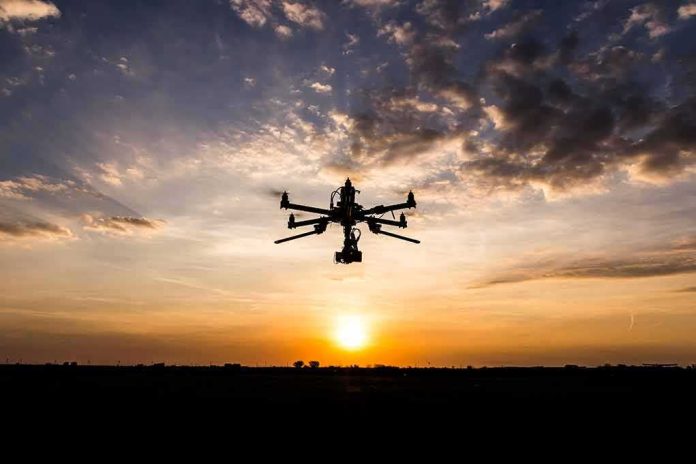
Staff described the drone approach as a stopgap tool to bridge a short-term gap in care. The widespread coverage focused on the visual of a drone hovering over floodwater to lower or drop a paper bag to an ape in need. That image fit a larger pattern of drones helping when storms or floods disrupt normal routes. The story also pointed to a less visible reality: flood recovery at the sanctuary will take time, money, and steady work to restore daily operations.
How This Fits a Bigger Trend
Disaster teams and conservation groups have been testing drones for deliveries, scouting, and basic communications when storms break roads or power lines. Reviews of emergency response research say drones can move small items fast and give a live view to guide safe action, but they face limits from payload weight, battery life, wind, and rules of the air. Responsible wildlife use also calls for training and care so flights help animals without adding stress.
🐒🚁 SPECIAL DELIVERY FOR ONE VERY HUNGRY CHIMP!
When severe flooding damaged roads, buildings, and equipment at the Save the Chimps sanctuary in Fort Pierce, Florida, staff had to get creative.
A drone was used to deliver food to Kaleb, a 38-year-old chimpanzee, despite the… pic.twitter.com/L84OIJOqzN
— Breaking Battlegrounds (@Breaking_Battle) November 11, 2026
Kaleb’s drone drop shows how a small tool can matter in a tight window. It also shows where planning helps. Sites that care for animals or people in flood zones can map safe landing spots, pre-pack light emergency kits, and train a small team to fly when roads fail. These steps match guidance from conservation and disaster fields, which urge clear procedures before storms and careful checks during any flight near wildlife.
Sources:
facebook.com, weather.com, unb.com.bd, fox8.com, ouci.dntb.gov.ua