
President Trump’s threat to invoke the Insurrection Act in Minnesota has sparked a heated debate on federal intervention and state sovereignty.
Story Overview
- President Trump threatens to use the Insurrection Act in Minnesota due to ICE-related unrest.
- The threat follows a recent shooting involving a federal agent, prompting calls for action.
- Minnesota’s Attorney General vows to sue if the Insurrection Act is invoked.
- This situation has reignited discussions on federal versus state authority.
Trump’s Insurrection Act Threat in Minnesota
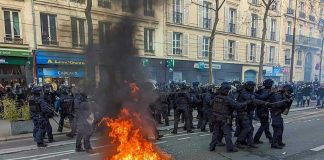
President Donald Trump has threatened to invoke the Insurrection Act in Minnesota, a move that could deploy federal troops to enforce law amidst ongoing conflicts between ICE agents and local unrest. The situation has escalated following a recent shooting involving a federal agent. Trump’s warnings, delivered via social media, have intensified the debate over federal intervention without state approval, a step that has drawn criticism from Minnesota’s Democratic leaders.
This potential invocation of the Insurrection Act comes amidst perceived state failures in controlling violence linked to ICE operations. Unlike the 2020 George Floyd protests, which saw Trump dissuaded from using the Act, the current situation centers specifically on immigration enforcement conflicts. Minnesota Attorney General Keith Ellison has announced his intent to challenge the invocation in court, emphasizing the state’s opposition to federal military involvement.
Understanding the Insurrection Act
The Insurrection Act, first enacted in 1807, grants the President the authority to deploy U.S. military forces domestically to suppress insurrections and enforce federal law. Historically, it has been invoked about 30 times, notably during the 1992 Los Angeles riots and the 1960s civil rights era. The Act allows for bypassing state governors through specific channels, such as protecting civil rights or upholding federal authority in cases of rebellion.
Current Minnesota unrest does not, according to experts, rise to the level of an insurrection. Legal scholars argue that while the Act allows for military law enforcement, it stops short of establishing martial law. The ongoing conflicts, primarily tied to federal immigration enforcement, highlight the legal complexities surrounding the Act’s invocation and its implications for state sovereignty.
The Implications of Federal Intervention
Invoking the Insurrection Act in Minnesota could set a significant precedent, potentially eroding state authority and expanding the federal government’s role in local law enforcement. Short-term effects could include the deployment of federal troops, heightened tensions between state and federal authorities, and legal battles challenging the President’s actions. Long-term, this could lead to broader debates about the limits of presidential power and the balance between federal and state governance.
The situation underscores the challenges of managing immigration enforcement in states with opposing political views and raises critical questions about the future of federal-state relations. As the nation watches, the unfolding events in Minnesota may resonate far beyond its borders, influencing policies and political dynamics nationwide.
Sources:
What is the Insurrection Act and what happens if Trump uses it in Minnesota