
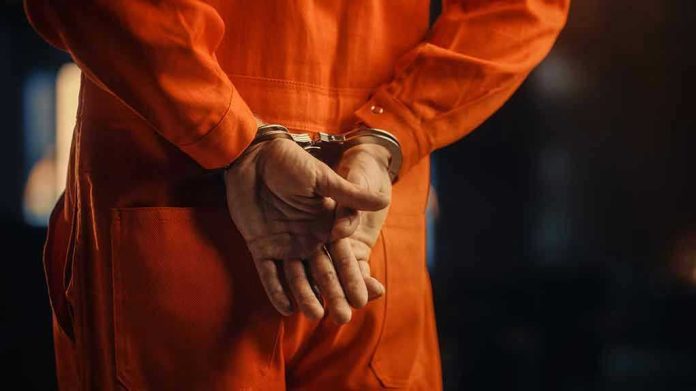
A former CNN star’s arrest over a church disruption is shaping up to be a defining test of whether “journalism” can be used as a shield when activists target Americans’ right to worship in peace.
Story Snapshot
- Federal agents arrested Don Lemon in Los Angeles after authorities tied him to a January protest that disrupted a church service in St. Paul, Minnesota.
- Attorney General Pam Bondi said four people were arrested and framed the incident as a coordinated attack on a place of worship.
- Lemon and another journalist, Georgia Fort, argue they were documenting events, raising serious First Amendment questions.
- Prosecutors allege civil-rights-related charges, while a magistrate judge previously rejected initial charges, adding legal complexity.
What triggered the arrest in Minnesota—and why it matters nationally
Federal authorities say the underlying incident occurred January 18, 2026, when anti-ICE protesters entered Cities Church in St. Paul during a worship service. Reporting indicates the church was targeted because one pastor also serves as acting field director for the St. Paul ICE field office. The government’s framing centers on protecting congregants’ civil rights and safeguarding worship services from disruption, a flashpoint where immigration activism collides with basic constitutional order.
Don Lemon was taken into custody Thursday night, January 29, in Los Angeles while he was covering the Grammy Awards, according to multiple reports. Authorities later confirmed four arrests connected to the church protest: Lemon, Trahern Jeen Crews, Georgia Fort, and Jamael Lydell Lundy. The unusual timing and high-profile setting made the case instantly political, but the underlying question is procedural and legal: what conduct crossed the line from observing to participating, and who must prove it?
Bondi’s message: protecting worship is not optional
Attorney General Pam Bondi publicly emphasized that the federal government will not tolerate attacks on places of worship, describing the incident as a coordinated attack. That posture resonates with Americans who believe the free exercise of religion is not a niche right but a core liberty. The government also pointed to statutes used in access-and-interference cases, including legal tools that can apply beyond abortion-clinic contexts. The case now hinges on whether prosecutors can show specific, provable conduct—not just presence.
Bondi’s involvement also drew attention because a magistrate judge previously rejected initial charges against Lemon, and later developments proceeded after senior Justice Department intervention. Available reporting does not fully explain the magistrate’s reasoning, which limits outside evaluation of the strength of either side’s claims at this stage. Still, the sequence matters: when charges are rejected and then revived, the public expects a clear explanation rooted in law and facts, not politics or personalities.
The First Amendment questions: press freedom vs. “press” as cover
Lemon’s attorney, Abbe Lowell, called the arrest an unprecedented attack on the First Amendment and said Lemon will fight the charges in court. Lemon’s position, echoed in prior video comments, is that he was there photographing and documenting as a journalist rather than acting with the protest group. Georgia Fort, identified as an independent journalist, also suggested she was arrested for filming. Those claims raise legitimate press concerns—because criminal charges against journalists for work at demonstrations are considered rare.
What’s known about the charges—and what remains unclear
Reporting indicates Lemon faces charges tied to civil-rights interference theories, including conspiracy allegations and interfering with someone’s First Amendment rights. That framing suggests prosecutors are focused not on viewpoint, but on whether the disruption deprived congregants of the ability to worship without intimidation or interruption. However, key details remain contested in the public record, including the extent of Lemon’s participation and what actions, if any, prosecutors claim he took beyond documenting the incident.
Deputy Attorney General Todd Blanche scheduled a rare press conference on the case, signaling the administration views it as significant and expects scrutiny. For conservatives wary of government overreach, the standard should be consistent: enforce the law to protect citizens—including churchgoers—while demanding clear evidence before treating a reporter as a criminal. The courts, not social media narratives, will ultimately decide whether this was protected newsgathering or unlawful coordination in a targeted disruption.
More Details on Lemon Arrest As Bondi Confirms – Three Others Arrested As Wellhttps://t.co/SFIqdYQCi7
— RedState (@RedState) January 30, 2026
The broader impact is hard to ignore. If activists can storm a sanctuary to pressure a federal official and later claim immunity by attaching a “media” label, worship and public order erode. If prosecutors can’t distinguish observers from participants with hard evidence, legitimate reporting risks a chilling effect. Either way, Americans should watch for the facts that come out in court: what happened inside the church, who planned what, and whether the government can meet its burden without stretching the Constitution.
Sources:
Don Lemon arrested in connection with Minnesota protest, sources say
Don Lemon arrested in Los Angeles in connection with Minnesota church protest
Don Lemon arrest becomes a major First Amendment showdown
Journalist Don Lemon arrested after protest disrupted Minnesota church service