

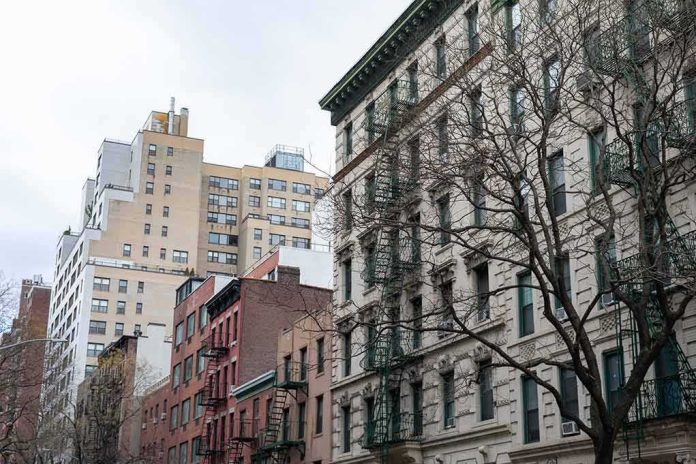
Clashes in Barcelona after Spain’s parliament killed emergency tenant protections show how anger over housing is boiling past party lines and into the streets.
Story Highlights
- Spanish lawmakers rejected two emergency housing decrees tied to an eviction freeze and rent limits.
- Protests erupted in more than 50 cities, with Barcelona seeing the most tense confrontations.
- The failed package aimed to stop evictions of vulnerable tenants and curb short-term rentals.
- Opponents said the plan would shrink rental supply and raise prices, demanding a rewrite.
What Sparked The Street Clashes In Barcelona
Police and protesters faced off in Barcelona after Spain’s lower house voted down emergency housing rules. The vote followed weeks of marches after the attempted eviction of an 87-year-old woman in Madrid became a national rallying cry. Demonstrations spread to dozens of cities, but Barcelona saw some of the most heated scenes as crowds pressed for an eviction ban and rent relief. Protesters blamed leaders for failing to act as rents rose and evictions mounted.
Parliament’s rejection covered two key decrees. The first would have extended a freeze on rents for current tenants, halted evictions of vulnerable people through 2030, and tightened rules on tourist rentals. The second would have made most leases renew automatically to prevent sudden removals. Both measures fell, leaving no immediate national shield for at-risk renters. The government’s defeat hardened calls for larger street actions and new votes.
What The Government Proposed, In Plain Terms
The package tried to buy time for renters and cool market churn. It aimed to block evictions of vulnerable tenants for years, push landlords to keep units in the long-term market, and discourage flipping homes into short stays. It paired limits with incentives, including tax breaks to encourage renting. Supporters said the goal was to stop the bleeding now and slow speculation, not to solve supply overnight. Tenant groups backed longer contracts and stronger rent rules.
Officials also targeted short-term rentals, a growing source of tension in tourist hubs. The first decree would have tightened those listings and raised taxes on tourist apartments. The plan sought to make buying blocks of homes for quick profit less attractive. By making lease renewals automatic, the second decree aimed to cut surprise removals that push families into crisis. Lawmakers rejected both steps, arguing details were flawed or overreached.
Why Critics Said “No” — And The Supply Question
Opponents, including the Catalan party Junts, warned the decrees would cut rental supply and push prices up. They demanded a rewrite, saying the plan might help current tenants but would not help people searching for homes. That claim mirrors recent research on Catalonia’s 2024 rent limits, which found slower rent growth but fewer new leases and a drop in available rentals. Spain’s central bank also points to weak new construction as a key driver of high prices.
One report said long-term rentals fell by about 15 percent after tighter rent rules, while short-term listings rose by around 60 percent. Analysts at a European policy center warned that capping rents can give short-term relief but risks shrinking the market if owners exit. These studies do not settle every debate, but they explain why supply fears resonated in parliament. Lawmakers weighed immediate relief against the risk of deeper scarcity later.
Why This Matters Beyond Spain
Spain’s fight fits a larger European pattern. When supply lags and rents outpace wages, leaders reach for emergency tenant shields. Crowds cheer the relief, but markets can tighten if owners pull back. That tension fuels distrust on both left and right, who see elites managing crisis by decree while skipping the hard work on supply. Protesters say the system protects investors. Critics say rules punish small owners and stall building.
Reuters: Spain’s housing crisis has become a central issue in the November 29 snap election, after the attempted eviction of an 87-year-old Madrid woman triggered nationwide protests.
Spain faces an estimated housing shortage of 750,000 homes. pic.twitter.com/9cH3yOrSoB
— Truth Seeker (@mib_63) October 6, 2026
For readers in the United States, the lesson lands close to home. When housing policy swings between quick fixes and gridlock, families pay. Spain’s leaders faced a real crisis and moved fast. Parliament balked, citing supply costs. Streets answered with rage. The path forward likely needs both near-term shields for renters and a serious push to build: zoning reforms, faster permits, workforce training, and clear, stable rules that keep homes in the long-term market.
Sources:
afp.com, aljazeera.com, dw.com, reuters.com, latimes.com, hurriyetdailynews.com, apnews.com, english.aawsat.com, euronews.com, spanishpropertyinsight.com, arxiv.org, russpain.com, sefofuncas.com