

A cosmetic filler made from processed donor fat is moving from niche clinics into mainstream conversation, raising fresh questions about safety, ethics, and oversight.
Story Snapshot
- AlloClae, a cadaver-derived fat filler, entered the United States market in 2024 and is used for body contouring.
- Demand is rising as weight-loss drugs leave some patients without enough of their own fat for transfer.
- Reports describe donor fat that is screened, purified, and decellularized into an injectable scaffold.
- Experts note high costs, uneven access, and limited long-term outcome data so far.
What the new “cadaver fat” filler is and how it is used
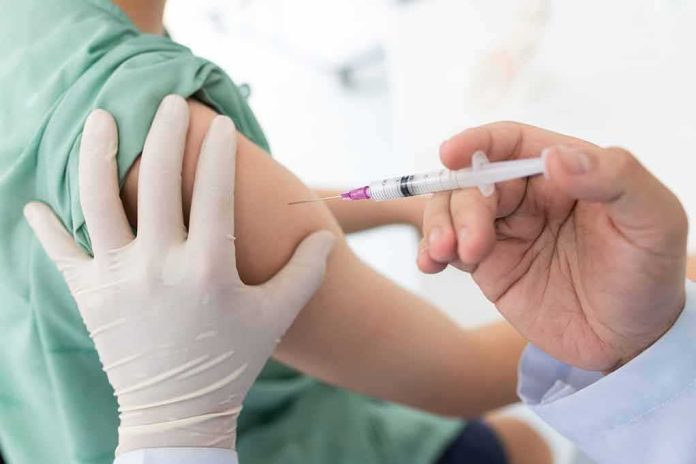
Plastic surgeons in the United States began offering a product called AlloClae in 2024. It is marketed for filling hip dips, enhancing breasts, and shaping buttocks when a patient lacks enough of their own fat to graft. Reports say the material comes from donor tissue that is screened, sterilized, and processed to remove cells, leaving a structural matrix that surgeons inject to restore volume. Surgeons and industry outlets group it with other fat-based fillers now entering the market.
Companies position these fillers as a practical option for people who lost a lot of weight and no longer have good donor sites. That group has grown with the spread of new weight-loss drugs, which can leave patients lean but unhappy with deflated contours. Some surgeons describe the product as a bridge between traditional fat transfer and synthetic fillers. The claim is that a decellularized scaffold can support tissue in-growth and give a natural look, though direct head-to-head data are limited in current reporting.
Why demand is rising in the weight-loss drug era
News outlets link the trend to drugs like semaglutide that help people shed pounds. After fast weight loss, patients may not have enough body fat to harvest for classic grafting. That gap is where donor-fat fillers aim to compete. Business coverage describes early distribution to select surgeons in 2024, followed by a broader rollout as interest spread beyond celebrity circles to corporate professionals seeking tighter physiques with shorter downtime. Price, however, keeps it niche for now.
Costs reported for large-area contouring can range from five figures to much more, depending on how much product is needed. That puts the treatment out of reach for many people and fuels the sense that new medical options tend to reach well-off consumers first. It also sharpens public debate over whether donated human tissue should be used for elective cosmetic goals. Ethical questions about consent, supply chains, and commercialization are now part of the discussion in press coverage.
What we know—and do not yet know—about safety and oversight
Coverage says companies and some surgeons point to compliance with United States Food and Drug Administration tissue rules, rather than the full drug or device approval process used for products like breast implants. Reporting varies in how it explains this, but it consistently notes that the product is presented as falling under tissue regulations, not as a Food and Drug Administration–approved device or drug. State-level reviews have also created uncertainty for distribution in at least one major market.
Journalists describe ongoing data collection at one, three, six, and twelve months to track outcomes and complications, which signals that longer-term evidence is still building. Physicians already know that classic autologous fat grafting can deliver high satisfaction with some variability and known risks, including rare but serious embolic events when fat enters a blood vessel. That clinical backdrop shapes how surgeons approach any new fat-based filler and why many use ultrasound to guide injections in higher-risk areas.
The broader pattern: innovation outruns proof, and public trust pays the price
Cosmetic medicine often moves from buzz to adoption before robust, comparative studies are published. That pattern appears again here. Outlets and professional groups describe a product class trying to answer a clear demand, even as researchers work to produce durable, peer-reviewed results. This gap matters because people on both the right and the left worry that regulators, big companies, and elite clinics move fast for profit while evidence, access, and ethics trail behind. The donor-tissue angle heightens those worries.
People are getting fat transfers from cadavers and calling it "zombie filler." Doctors say the trend is fueled by the rise of GLP-1s. https://t.co/gb457IaoWN
— USA TODAY (@USATODAY) August 14, 2026
Policy and practice will likely hinge on three issues. First, regulators may clarify how these products fit within tissue rules, state laws, and advertising claims. Second, surgeons will want head-to-head data versus fat grafting and implants to judge volume retention, safety, and revision rates. Third, the public will ask for clear donor consent and tracking. Until then, the treatment will stay a high-cost option for a narrow market, watched closely by doctors, journalists, and patients alike.
Sources:
feedpress.me, cnn.com, plasticsurgery.org, independent.co.uk, adnkronos.com, theguardian.com, businessinsider.com, edge.airmedia.org