
Millions watched Seattle’s huge 2026 Pride parade, but a viral “nude and violent” clip is now fueling fresh anger over whether the law still applies when politics and identity are on the line.
Story Snapshot
- Seattle’s 2026 Pride parade drew hundreds of thousands of people and over 250 marching groups downtown.
- Mainstream outlets and organizers describe a joyful, inclusive event, with police on site for security.
- A viral video of a scuffle near a Christian street preacher and claims of nude marchers in front of kids have sparked outrage.
- So far, no public police records or verified news reports confirm arrests or charges for nudity or assault at the parade.
A Massive Pride Parade Meets A Deep Trust Gap
On June 28, 2026, Seattle’s main Pride parade rolled down Fourth Avenue with more than 250 contingents and hundreds of thousands of spectators. Organizers set the theme as “Rally,” saying it was both a celebration and a protest for LGBTQ rights and broader social change. The parade ran from late morning into the afternoon, with families, activists, and tourists lining downtown streets to watch floats, dancers, and community groups march toward Seattle Center. For many locals, this event is now a major civic tradition.
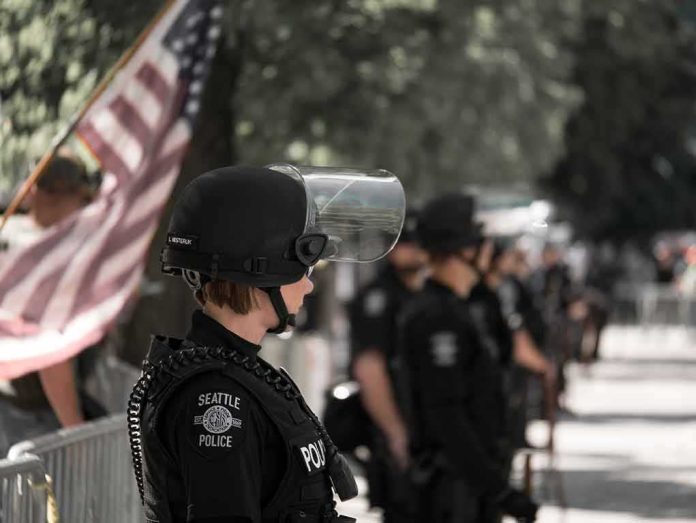
Official coverage from outlets like KIRO 7, FOX 13, and KOMO focused on bright colors, cheering crowds, and the parade’s message of inclusion. Seattle Pride’s own site promotes the parade as free, public, and welcoming, with police involved in security planning and route control. Organizers highlight roots going back to the 1970s and frame Pride as part party, part protest, echoing past fights over police treatment of LGBTQ communities. That positive framing sets the stage for a clash with critics who see something very different in recent online clips.
The Viral Video And Claims Of Illegal Acts
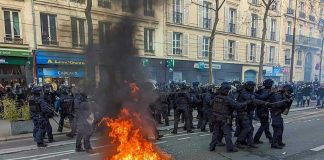
Shortly after the parade, a video began spreading on social media showing a tense encounter near a Christian street preacher at or close to the event. Posts describe “LGBTQ+ hecklers” attacking a security guard who was protecting the preacher, turning a peaceful march into a violent scene. Other posts from conservative-leaning accounts claim that completely nude marchers walked in front of families and children, calling it “not normal behavior” and accusing city leaders of allowing lawlessness. These clips tap into wider anger over sexual content in public spaces and fears that kids are being exposed to things many parents find deeply wrong.
Commentators like Link Lauren and similar voices frame the footage as proof that Pride events have crossed a legal and moral line, accusing the city and police of looking the other way. They argue that if this level of nudity or aggression happened at another political rally, officials would crack down instead of celebrate. Their message speaks to a growing belief on both the right and the left that elites play by different rules than regular people. Many viewers who already distrust government see the video as yet another sign that powerful groups get special treatment when their cause matches the city’s politics.
What The Public Record Shows – And Does Not Show
Despite the emotional reaction online, the available public record on the Seattle Pride parade still looks thin on confirmed illegal activity. Mainstream coverage of the parade itself does not mention public nudity, assaults, or arrests linked directly to the march. Seattle Pride and news partners describe police as providing security and traffic control but do not highlight clashes with protesters or criminal charges. There are no widely cited arrest logs or incident reports, at least yet, that document charges for public indecency or assault tied to June 28 along the parade route.
That gap matters because Washington law does limit public nudity, especially when it is sexual and in front of children, even in cities that lean socially liberal. If nude marchers did walk the route, the key questions become whether police were present, what they saw, and whether they chose not to act. So far, none of the major outlets have published a detailed breakdown of enforcement decisions that day. Without sworn witness statements, clear timestamps, and official records, the most serious claims remain allegations, not proven facts, even as they gain traction online.
A Bigger Fight Over Pride, Policing, And Elites
The Seattle dispute fits a national pattern where Pride events sit at the center of fights over culture, policing, and trust in institutions. In some cities, LGBTQ activists warn that police have a long record of targeting queer spaces and using force during protests. In others, reports show far-right groups trying to disrupt Pride, leading to violence and arrests and raising safety concerns for attendees. Each side points to real examples where they feel the system failed them, whether by over-policing or by ignoring threats and law-breaking.
For many Americans, especially those over 40, the Seattle story lands on top of years of frustration with both parties and with what they call the “deep state.” Some see Pride events as part of a broader push they feel disrespects traditional values and exposes kids to adult behavior. Others see police and city leaders as unreliable partners who only protect certain groups when it is politically easy. What unites these views is a shared fear that rules are no longer applied fairly, and that everyday citizens are left without a clear voice or protection when big cultural battles play out in the streets.
Sources:
youtube.com, seattlepride.org, seattlepridefest.org, fox13seattle.com, kiro7.com, facebook.com, seattletimes.com, naacpldf.org, instagram.com, acleddata.com