
Dolores Huerta accused the Trump administration of “ethnic cleansing” tied to mass deportations, and she is asking the United Nations to investigate.
Story Snapshot
- Labor icon Dolores Huerta says current deportation tactics target people of color and amount to “ethnic cleansing”.
- Allied activists filed a petition urging a United Nations review of alleged human rights abuses tied to immigration raids.
- The White House defends enforcement as a legal duty to remove inadmissible and removable noncitizens under a 2025 policy declaration.
- Longstanding research shows immigration law often hits racial minorities harder, fueling today’s dispute.
What Huerta Said And Why It Matters Now
Dolores Huerta told Democracy Now! that recent immigration enforcement is “not about going after immigrants” but “about going after people of color.” She called it “ethnic cleansing” and urged an international response. Her remarks link dramatic language to specific claims of raids and detentions that she believes fall hardest on minority communities. Supporters say the stakes are life changing, with families split and due process under strain. Critics warn this framing inflames debate and reduces space for policy fixes.
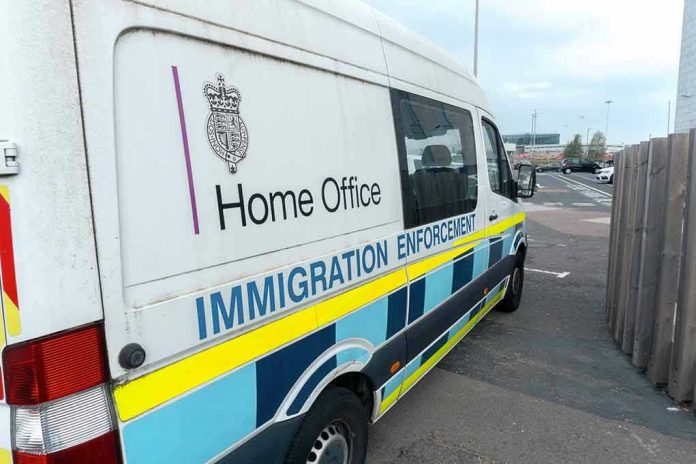
Activists backed Huerta’s call with a petition to the United Nations Human Rights Council. The filing seeks expert investigators to review alleged abuses by federal immigration agents. Local coverage reports that while one federal judge ordered certain “roving patrols” to pause during litigation, the Supreme Court allowed them to continue for now. Petitioners argue that racial profiling and rights violations demand outside scrutiny. The move shows growing distrust in domestic oversight when politics run hot and courts split.
How The Administration Frames Its Authority
The White House points to a 2025 presidential action stating that the government will “faithfully execute the immigration laws against all inadmissible and removable aliens.” The policy casts the border situation as an “invasion,” and argues aggressive enforcement is necessary for public safety and order. Supporters say the government must carry out the laws that Congress passed. They also argue that strong measures deter unlawful entry and reduce the power of smuggling groups.
Backers also cite new and existing laws that narrow release options for some noncitizens charged with crimes. They say these rules focus on offenders and protect communities. Opponents respond that the line between “offender” and “targeted minority” can blur in practice, especially during broad sweeps. That tension sits at the heart of this fight. It is about who bears the cost of errors and how checks on executive power should work during crackdowns.
The History That Fuels Today’s Fears
Independent research shows a long pattern in which immigration law and practice fall more heavily on people of color. A Brookings analysis notes that even though a little over half of immigrants are Hispanic, consistently well over 90 percent of deportations have been Latino in recent years, reflecting deeper structural choices in enforcement and legal pathways. Advocates say this history explains why today’s raids feel targeted. Skeptics counter that geography and route choices, not race, drive most encounters.
Legal scholars also describe a “plenary power” tradition that grants the political branches wide latitude on immigration. That standard has often limited court review of harsh policies. Critics argue this invites executive overreach and weakens individual rights. Supporters answer that borders require fast, firm decisions and that elected leaders, not judges, should set priorities. When trust in institutions is low, both sides read the same rules as proof the other side will abuse them.
Why Both Left And Right See A System Problem
Many conservatives see a federal system that failed to control the border for decades. They view tougher enforcement as overdue, and they blame political elites for ignoring chaos. Many liberals see a system that treats minorities unfairly and cuts due process when it is most needed. They fault the same elites for valuing optics over rights. Both groups suspect powerful insiders benefit from dysfunction while regular families pay the price in fear, cost, and confusion.
That shared distrust explains the heat around Huerta’s charge. If raids overreach, people see proof that government power serves the few, not the many. If leaders dismiss rights claims, people see proof that rules bend for politics. If courts allow disputed tactics to continue, people see proof that checks and balances no longer check. Each step widens the divide. It also makes practical fixes harder, even when both sides want safety, order, and fair treatment.
What To Watch Next
Watch whether the United Nations responds to the petition and whether federal agencies change raid guidance. Track new court rulings on patrol tactics and detention standards. Look for reliable data on who is being detained, for how long, and with what access to counsel. Clear numbers can cool the rhetoric and expose weak claims fast. Last, watch Congress. Durable change needs lawmaking, not just executive actions that swing with the next election.
Sources:
youtube.com, democracynow.org, immigrantjustice.org, whitehouse.gov