

Federal prosecutors say a Washington State resident helped plan and promote a Canadian school massacre, including a plan to stream it live online.
Story Snapshot
- U.S. authorities charged James Cody Bryant with conspiracy to murder people in Canada.
- Prosecutors say Bryant advised on tactics, sent money, and agreed to livestream the attack.
- Court filings allege Bryant told the shooter to delete messages and use virtual private networks.
- The case lands amid lawsuits claiming OpenAI failed to warn police about the shooter’s flagged activity.
What Federal Prosecutors Allege
The United States Department of Justice (DOJ) charged James Cody Bryant, 30, of Washington State, with conspiring to murder people in a foreign country. Prosecutors say Bryant communicated for months with Jesse Van Rootselaar, the 18-year-old who carried out the February attack in Tumbler Ridge, British Columbia. The DOJ alleges Bryant agreed to record and broadcast the killings, tested livestream tools, and sent money that supported the plan. Bryant is in custody and faces federal charges.
Federal filings also claim Bryant gave tactical advice on how to commit the murders and avoid detection. Prosecutors say Bryant told Van Rootselaar to delete chats, use virtual private networks, and hide evidence of planning online. Investigators further allege Bryant stayed engaged up to and during the attack, and did not alert police despite knowing the plan. A local report confirms the conspiracy charge tied to the British Columbia school shooting.
What Happened In Tumbler Ridge
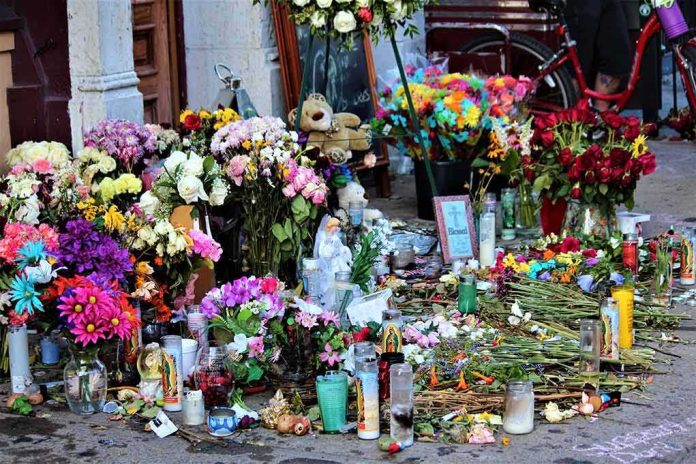
Authorities in Canada say Van Rootselaar attacked Tumbler Ridge Secondary School in February, killing children and others before dying at the scene. Multiple lawsuits filed later describe a planned, recorded act of mass violence. Families and the province of British Columbia have sued OpenAI, claiming the company had internal warnings about the shooter’s account on ChatGPT months before the attack and failed to notify law enforcement. Those suits seek accountability and changes to platform safety practices.
The United States filings against Bryant do not decide those civil claims but sit in the same tragic chain of events. Prosecutors focus on alleged human help given to the shooter, including tips, money, and media plans. News accounts say Bryant at times urged the shooter to back out, but still agreed to handle a livestream and stayed involved. Reporters emphasize that the current charges are allegations, and Bryant is presumed innocent unless proven guilty in court.
Why This Case Matters Beyond One Arrest
The Bryant case highlights how real-world violence can blend with online planning and fandom. Prosecutors allege a plan to turn murder into a live show, which deepens fear that social media tools can reward infamy. That fear crosses party lines. Parents want schools to be safe. Citizens want police warned when danger surfaces online. The case also lands as courts test whether tech firms had a duty to warn the public or police about flagged threats on their platforms.
A 30-year-old Washington state man has been charged in connection with the February mass shooting at Tumbler Ridge Secondary School in Canada. (Photo: AP) pic.twitter.com/yUrwIooyUI
— KAGS News (@KAGSnews) October 7, 2026
Americans see a pattern: warnings missed, agencies slow to connect dots, and platforms built for growth more than safety. Conservatives blame weak law enforcement and cultural rot. Liberals blame easy access to weapons and profit-first tech. Both sides see a system that reacts late and deflects blame. The federal charges against Bryant show officials can pursue helpers across borders. But lasting trust will depend on faster alerts, clearer rules, and tools that stop harm before it starts.
Sources:
npr.org, bbc.com, wthr.com, cbc.ca