

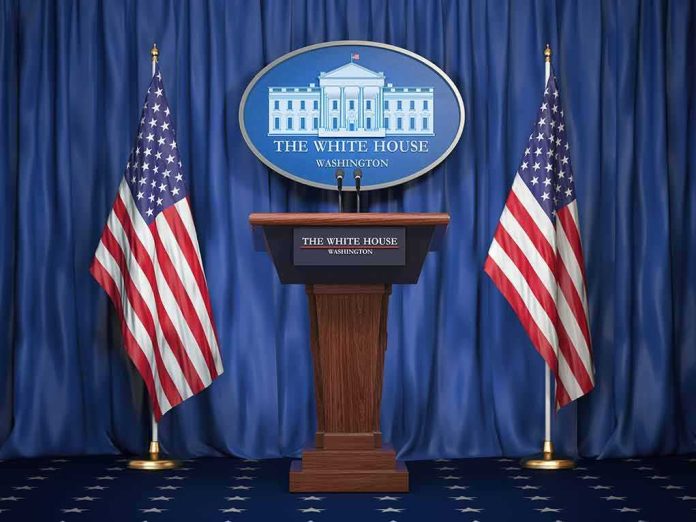
President Trump’s direct line to Vladimir Putin set rapid peace talks in motion while straining ties with Volodymyr Zelensky, exposing a risky bet that pressure can stop a grinding war.
Story Highlights
- Trump said he and Putin agreed to start negotiations “immediately,” with senior U.S. officials tasked to lead talks.
- Trump pressed Zelensky in an Oval Office meeting that ended without a deal, saying Ukraine was “not ready for peace”.
- Zelensky insists Ukraine must be at the table and wants real security guarantees before any ceasefire.
- Europe backs Kyiv’s role and warns against rewarding Russia or asking Ukraine to concede up front.
What Triggered The Latest Push For Talks
President Trump said a February 12, 2025 call with Vladimir Putin produced an agreement to begin negotiations right away. He assigned Secretary of State Marco Rubio, Central Intelligence Agency Director John Ratcliffe, and National Security Advisor Michael Waltz to organize the process. Trump said he wanted to end a “ridiculous war” and would meet anyone to do it. Reporting on the call and assignments grounded the push for leader-level talks that would try to halt the fighting.
Trump also said Ukraine would be included in talks, countering fears of a deal made over Kyiv’s head. He explained a theory: reduce Ukraine’s reliance on Washington so Kyiv feels pressure to bargain. He argued Zelensky believed U.S. backing gave him an edge. Trump said he wanted peace, not advantage. Supporters see urgency after years of death and costs. Critics see risk in pushing a partner harder than the aggressor without clear concessions from Moscow.
The Oval Office Clash And Its Fallout
On February 28, Trump met Zelensky at the White House. The exchange grew tense and public. Trump said Zelensky was not ready for peace and told him to return when prepared. The meeting closed without a framework. Trump also said a simple ceasefire would not work without security guarantees, yet he pressed for a halt to save lives now. That tension—end the shooting fast versus secure a durable peace—remained unsettled in the record of remarks and transcripts.
Zelensky, for his part, has said he is ready for peace talks if Ukraine’s security is guaranteed. He warned against any process that sidelines Kyiv or asks for concessions in advance. He insists Ukraine must sit at the table for any talks about its future and borders. He also argues that real guarantees, not vague promises, are needed to prevent Russia from striking again after a pause. These positions are consistent across recent reporting from Kyiv and Western outlets.
Europe’s Red Lines And Why They Matter
European parliamentary foreign-affairs chairs backed Kyiv’s core demands. They argued that a just peace cannot reward Russia and must respect Ukraine’s sovereignty and borders. They called for sustained pressure on Moscow and legally binding security guarantees for Ukraine, backed by actual forces and capabilities. They also said real talks cannot begin by asking Kyiv to accept Russia’s terms first. That stance narrows room for any deal that leans on Ukrainian concessions alone.
These positions shape what is viable. If Europe will not support a deal that undercuts Ukraine, then sanctions relief, aid flows, and enforcement tools may not line up. That makes it harder to lock in any ceasefire or settlement. It also highlights a key gap in the public record: there is no published Russian concession or withdrawal plan tied to the new talks. Without visible costs on Moscow, the pressure looks one-sided, which can weaken buy-in across allied capitals.
The Core Dilemma: Speed Versus Staying Power
Peace research shows fast ceasefires are easier to announce than to hold. Durable peace usually needs verification, third-party guarantees, and clear costs for cheating. Trump’s push chases speed, which could save lives if guns fall silent. But the public plans so far do not show how monitors, guarantees, and enforcement would work. That does not mean such plans do not exist, only that they are not public. This leaves room for both hope and doubt among allies and voters.
BIG | 🇺🇦🇺🇸🇪🇺🇳🇴‼️ President Volodymyr Zelensky says Ukraine is ready to stop striking strategically sensitive Russian energy facilities if Moscow ends its attacks on Ukraine, but Vladimir Putin has rejected the proposed reciprocal ceasefire.
Speaking after negotiations in Oslo…
— NSTRIKE (@NSTRIKE1231) October 20, 2026
For Americans across the spectrum, the stakes feel familiar. People see endless spending, rising costs, and leaders who talk more than they deliver. Some welcome a shake-up that might end a stalemate. Others fear a quick fix that rewards force and fails. The path forward is clear enough: put Ukraine at the table, pair any pause with real security measures, and show concrete Russian steps, not just words. Without that, the process risks looking like theater, not peace.
Sources:
theamericanconservative.com, transcripts.cnn.com, bbc.com, en.wikisource.org, govinfo.gov, abcnews.com, trtworld.com