
Three of the world’s most powerful leaders met for 81 minutes in China, and the biggest instant payoff for many people was jokes and memes about the moment.
Story Snapshot
- President Trump, Xi Jinping, and Vladimir Putin held a first-ever trilateral summit in Shenzhen on November 19, 2026.
- China published a joint declaration highlighting talks on strategic stability and international security.
- Reporters said the meeting lasted about 81 minutes and produced no major breakthroughs.
- Visuals and remarks from the summit fed a fast wave of online jokes and memes across platforms.
What Happened in Shenzhen
On November 19, 2026, Xi Jinping hosted President Trump and Vladimir Putin for a rare three-way summit in Shenzhen. China’s government called it the first face-to-face meeting of the three heads of state and framed the event as historic. The leaders discussed broad issues, including strategic stability and international security. The China-Russia-United States “Declaration toward Peace” summarized those themes and confirmed the shared setting and date. The declaration did not list detailed actions or timelines.
Major outlets reported the meeting on the sidelines of the Asia-Pacific Economic Cooperation week. Coverage said the session lasted about 81 minutes. Reporters noted that nuclear arms control and wider security topics were central, but there were no clear breakthroughs. Accounts highlighted set-piece images and small moments that draw strong reactions online, like long-table shots and warm greetings. Those visuals often anchor social chatter after big diplomatic scenes.
Why The Images Drove So Much Reaction
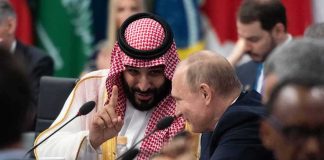
News cameras captured the three leaders in tight frames and wide angles that invited quick jokes. CNN’s reporting flagged Trump calling Putin “my friend,” which plays into familiar narratives on both sides in the United States. The unusual three-way format, the seating, and the body language gave meme creators easy hooks. That kind of material spreads fast because it is simple, emotional, and fits short-video and image posts well.
Memes do not prove what the public as a whole thinks, but they shape what many people see first. Research shows that social platforms often reward strong, partisan, or comic takes with more reach. That can lift punchy memes over dry policy talk in feeds. This dynamic helps explain why the online buzz leaned toward humor, while formal coverage focused on nuclear issues and the lack of big deals.
Substance Versus Spectacle
China’s published declaration emphasized peace, dialogue, and stability. It did not offer itemized steps, enforcement tools, or dates. News reports said the meeting did not resolve major fights such as wars or sanctions. That gap between lofty goals and firm outcomes is common in high-stakes talks. It also frustrates people across the political spectrum who feel global leaders meet, pose, and depart while real costs at home keep rising.
The Trump-Xi-Putin summit didn’t deliver a grand peace deal or nuclear breakthrough, but it did produce the greatest meme collection of 2026.
Three of the most powerful men on Earth, one blue backdrop, and the internet wins again.
History books will mention the meeting.
We…
— Patricia 🇺🇸 (@1109Patricia) November 20, 2026
For many Americans, the summit landed in a season of worry about inflation, energy prices, border strain, and global conflict. Supporters of President Trump cheered the face time with rivals as a show of strength. Critics argued the optics gave cover to adversaries. Both sides, though, could agree on one point: the internet will roast any staged moment. This time, the memes arrived faster than any policy readout, and they were easier to digest than diplomatic language.
How To Read The Memes Without Missing The Stakes
Memes can be funny and still point to real stakes. The images draw attention to who sat where, who smiled, and who spoke first. Those cues matter in protocol-heavy settings. But the measurable outcomes still come from follow-on talks, working groups, and written deals. Until then, the smart read is simple: enjoy the jokes, note the signals, and watch what each capital does next on nuclear issues and regional wars, not just what they said on stage.
Sources:
redstate.com, english.www.gov.cn, id.china-embassy.gov.cn, us.cnn.com, eastbaytimes.com