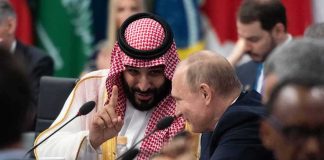

Russia’s leader declared “no agreements” after repeated strikes hit the Crimean Bridge days before his meeting with President Trump and China’s leader Xi, putting fragile diplomacy on ice.
Story Snapshot
- Ukraine hit the Crimean Bridge multiple times before the Trump–Putin–Xi summit, disrupting traffic and symbolism alike.
- President Vladimir Putin ruled out limited ceasefires and warned of harsher retaliation after the attacks.
- Reports describe rail service halted and repeated strikes within a week, underscoring military and political stakes.
- Public records tie the strikes to Ukraine; claims of Western orchestration lack verified evidence in available sources.
Bridge Strikes Land Amid High-Stakes Diplomacy
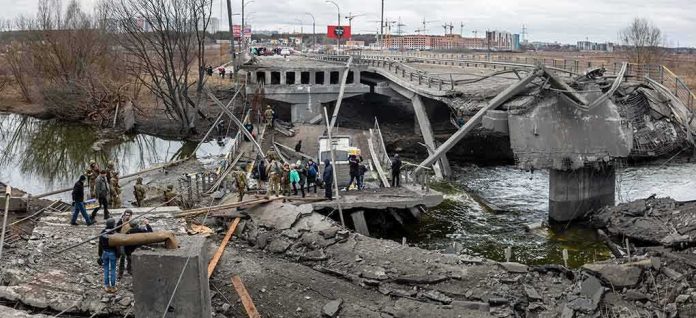
Reuters reported that Ukrainian drones and missiles destroyed the central road section of the bridge linking Russia and Crimea two days before President Vladimir Putin was due to meet President Trump and China’s President Xi. The outlet called the strike a military and symbolic blow. The timing raised the political cost around any talks and shifted leverage at the table. Traffic was suspended after the damage, which signaled pressure on Russian logistics and pride alike.
Bloomberg added that the attacks came as the United States tried to broker limited ceasefire ideas. Hours and days mattered because leaders were set to gather with the world watching. When a strategic link like the Kerch Strait bridge takes hits, everyone reads the message. Ukraine showed it could reach far and disrupt a key route. That put new strain on talks that were already delicate and short on clear progress.
Putin’s Response: No Truce, Harsher Blows Promised
President Vladimir Putin responded by ruling out limited ceasefires after the bridge strikes. He warned that Russia’s answer would be far more painful than the damage done to the bridge. His words closed the door, at least for now, on proposals that aimed to cool parts of the front. This step raised fears that both sides would escalate. It also risked pulling focus from diplomacy during the high-profile summit window.
The Independent’s summary of the week underscored the scale and pace. It cited Kyiv’s claim of domestic Neptune missiles and reported that trains were halted after a third strike in a week. Repeated hits reinforced the point that the bridge was vulnerable. That mattered for Russia’s supply lines and for the political narrative at home and abroad. The sequence made any truce talk look out of sync with the battlefield reality.
What Is Proven, What Is Not
The public record identifies Ukraine as responsible for the strikes. The reports do not provide hard proof that the Central Intelligence Agency, British services, the North Atlantic Treaty Organization, or European governments planned or ran the operation. The evidence base does not show who, if anyone, beyond Ukraine directed targeting or timing. That means we can say the attacks shaped diplomacy, but we cannot say outsiders orchestrated them based on the cited sources.
🚨 BREAKING NEWS | RUSSIA–UKRAINE WAR
Trump says Putin wants peace, but Moscow rejected a limited truce after Ukraine's attack on the Crimean Bridge, warning of retaliation. Fresh Russia talks may follow next week.
📅 NEWS UPDATE | November 20, 2026 Source: Axios | Reuters | DW— Ritesh Jat (@RiteshJat231646) November 20, 2026
At the same time, other reporting shows talks did not vanish entirely. European and Ukrainian statements described ongoing contacts with United States envoys and European partners about future negotiations. That suggests a split-screen moment: missiles and drones on one side, video calls and draft ideas on the other. War often looks like that. Both sides test strength while they talk, and each move can lift or sink trust in the next step.
Why This Moment Resonates at Home
Many Americans, right and left, see leaders promise peace while power politics wins. The bridge attacks and the summit spotlight that tension. People worry that elites run the show while workers pay the price through higher costs and deeper risk. When diplomacy stalls after a single week of dramatic strikes, it feels like the system cannot deliver. That is why this story lands beyond Europe. It speaks to a larger fear that government is not solving real problems.
What To Watch Next
Watch for how fast Russia repairs or reroutes logistics and whether Ukraine targets again. Track whether President Trump’s team, European partners, and China can restart even narrow deals, like local pauses. Look for proof, not hints, if anyone alleges foreign control of Ukrainian operations. Finally, measure whether civilian sites face rising risk as payback grows. Those facts will show if this was a short pause in talks or a deeper slide into wider war pressure.
Sources:
youtube.com, reuters.com, bloomberg.com, uk.news.yahoo.com, yahoo.com, the-independent.com