

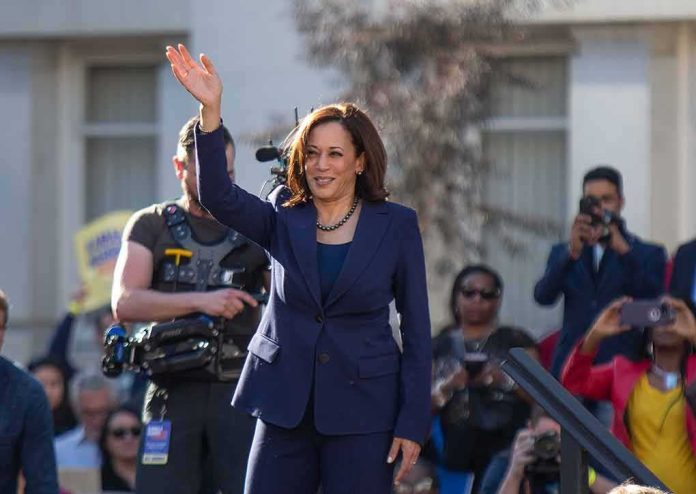
Alaska Senate hopeful Mary Peltola told Kamala Harris “no thanks,” keeping her race anchored in Alaska, not Washington.
Story Snapshot
- Peltola’s campaign said it did not seek or approve Harris’s support email.
- Harris’s message asked donors to “stand behind Mary” and split funds with her committee.
- National Democrats view Peltola as a key recruit in a wider Senate push.
- The dust-up shows how national brands can backfire in local races.
Peltola’s Team Draws a Line Around Alaska
Peltola’s campaign said it did not approve Kamala Harris’s fundraising appeal and did not seek her endorsement. The team stressed that Peltola wants an Alaska-centered race, not a Lower 48 show. That message matched earlier signs that she keeps distance from national figures when it hurts at home. The firm response aimed to block attacks that tie her to unpopular national politics in Alaska, where local energy and labor issues often outrank party labels.
Harris’s email used classic national playbook tactics. It urged supporters to “stand behind Mary” and framed Alaska as a “must-win” for Democrats. It also linked to a donation page that split funds between Peltola’s campaign and Harris’s committee. That split can raise money fast but can also fuel claims that Washington interests steer the show. For many voters, that looks like politics as usual, where big names tap local races to grow their own lists and war chests.
Why National Help Can Hurt in a Local Race
Endorsements can spark donations and volunteers, yet they can also backfire when the endorser is unpopular in the state. Alaska has often rejected national Democratic brands on energy and cultural issues. Campaigns know this risk and try to lock the frame on local needs and independence. Research on endorsements finds they can move views, but the effect depends on who speaks and how voters see that person’s record and values in that place.
Republicans seized on Harris’s support to paint Peltola as tied to national climate and spending plans. Conservative media highlighted that national Democrats who back aggressive climate policies have cheered her bid. Those signals help the GOP argue that Washington priorities would raise energy costs and threaten jobs. Even if that charge is simplified, the label can stick in a state that leans fossil fuel and values distance from coastal party battles.
Democrats’ Strategy Meets Alaska’s Reality
Democratic leaders cast Peltola’s run as a major pickup chance. They argue her profile fits Alaska better than a standard national Democrat. Party voices said they “need a champion like Mary,” and they see room to expand the Senate map. That strategy bets that a local-first Democrat can both calm swing voters and still benefit from national dollars. The Harris email episode showed the tension in that plan when national help blurs local control.
https://twitter.com/singwithCB/status/2088466174271201365
Peltola’s response did more than swat away a talking point. It spoke to a wider frustration that many Americans share. People on the right and left see a federal class that raises money first and listens last. By saying “Alaska first,” Peltola aligned with that mood, at least in tone. The question ahead is whether she can keep national allies at arm’s length while using their resources, and whether voters will reward that balance in November.
Sources:
nypost.com, nytimes.com, townhall.com, thealaskastory.com, huffpost.com, nrsc.org