

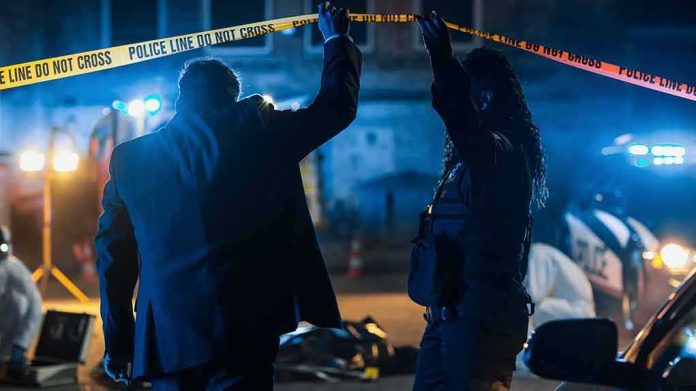
Philadelphia police named a suspect in the “Chucky” mask scare and say he may have fled the state.
Story Snapshot
- Police identified 22-year-old Zymire Hughes as the suspect and issued an arrest warrant.
- Victims reported threats and chasing near City Hall early on Aug. 12.
- Officials say the suspect may have recorded the encounters for social media.
- The fast ID highlights wider risks with quick, visual identifications in public cases.
Police Identification and Warrant Status
Philadelphia police announced that 22-year-old Zymire Hughes is the suspect in assaults near City Hall on Aug. 12. Officials said an arrest warrant is active and warned he may have left Pennsylvania. Investigators linked the incidents to the early morning in Center City, based on victim reports and video. Police urged the public to share tips and avoid confronting anyone who matches the description. Authorities did not report an arrest as of the announcement.
Police and local media detailed several encounters where a masked man approached pedestrians. Reports said the man chased people and made threats before running off. One account described the suspect asking a woman if she was “ready to die.” Officers said no weapon was shown during the incidents. Police labeled the mask as “Chucky-style,” a reference to the horror film character, which made the images go viral and pushed the search into national headlines.
Timeline and Nature of the Encounters
Investigators said the string of threats took place around Philadelphia’s City Hall area in the early morning window. The suspect reportedly moved block to block, targeting joggers and commuters at a low-traffic hour. Police said the man filmed at least some encounters on a phone. Officials emphasized that, while the behavior was menacing, the known incidents did not include brandishing a weapon. The department said the conduct still supports felony and misdemeanor charges.
A bystander account described a tense moment when she tried to warn a jogger. She said the suspect then turned toward her, prompting her to scream and kick him in the chest before he fled. That account fit the broader pattern of scares, chasing, and sudden exits. These details help police map the route and timing of the encounters. They also show how public spaces become flashpoints when stunts or threats cross into fear and possible assault.
Why This Case Touched a Nerve
City residents woke up to videos and headlines of a masked figure chasing people near civic buildings. That image cuts across politics and hits a basic fear: Can you move safely downtown at dawn? Police linked the events to possible social media clout-seeking, which angers many who already believe online fame is beating common sense and the law. People on the left and right share that concern when it feels like authorities are reactive, not preventive.
The rapid identification also raises a familiar caution. High-profile cases often hinge on quick, visual IDs from footage and stressed witnesses. Research shows that stranger IDs can be wrong even when confidence is high. A 2025 review of real cases found error rates that remind us speed and certainty can mislead. Police need strong, documented procedures to reduce mistakes, especially when viral images set the tone for the hunt.
Public Safety, Due Process, and Trust
Police say Hughes has ties outside Pennsylvania, and the search may expand beyond the state. That elevates urgency for clear evidence handling and careful witness work. The stakes are twofold. First, victims deserve swift action and safe streets. Second, any suspect deserves due process. Communities lose trust when officials appear to chase headlines more than facts. Clear updates and transparent steps can reduce that gap while the warrant is active.
‘CHUCKY’ MASK SUSPECT ON THE RUN #Philadelphia police have identified 22-year-old Zymire Hughes as the man accused of wearing a Chucky-style mask while chasing and threatening people near City Hall on 12 August.
Police said Hughes allegedly approached a female jogger while… pic.twitter.com/cILHX6V2Ev
— Daily Tribune (@tribunephl) August 21, 2026
Officials asked the public for tips rather than direct action. They said to call police if the suspect is seen and to avoid confrontation. That guidance reflects the risks of crowd justice in the social media era. It also meets a simple test: keep people safe while professionals build the case. As the manhunt continues, expect more video to surface. The core test for authorities remains the same: cut through the noise, verify the evidence, and make the charge stick.
Sources:
independent.co.uk, youtube.com, cbsnews.com, phillyvoice.com, nbcnews.com, instagram.com, foxnews.com