
Many Americans now wonder whether COVID-era fear, censorship, and heavy-handed controls have quietly reshaped society in ways that outlast the virus itself.
Story Snapshot
- Pandemic policies drove a surge in anxiety, depression, and stress that reshaped daily life and trust in institutions.
- Lockdowns, school closures, and mandates centralized power in public health bureaucracies with limited accountability.
- Information control and “misinformation” crackdowns narrowed debate and sidelined many skeptical or dissenting voices.
- Conservatives now face the challenge of unwinding emergency-era norms while protecting liberty, families, and faith communities.
COVID policies and psychological fallout
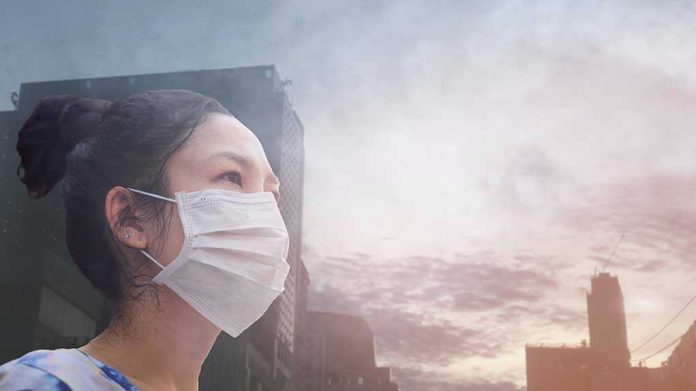
Psychological researchers tracking COVID from the earliest days have documented a sharp rise in anxiety, loneliness, and stress-related problems as governments rolled out lockdowns, distancing rules, and school closures around the world.
Major reviews describe how fear of infection, job loss, and social isolation combined into what some scholars call a “parallel mental health pandemic,” especially for people already vulnerable or living under stricter restrictions. These harms did not fade quickly and, in many cases, persisted long after initial waves subsided.
Studies focused on specific groups, including children, college students, and working-age adults, show heightened rates of depression, sleep problems, and substance abuse during and after the heaviest restriction periods.
Clinical researchers link these outcomes not just to the virus itself but to policy choices such as prolonged school closures, bans on religious gatherings, and work disruptions that weakened social bonds. These findings confirm what many families felt intuitively: top-down rules often ignored the emotional and spiritual cost paid by ordinary people.
Centralized power and emergency norms
Chronologies of the pandemic response show how emergency declarations quickly concentrated power in public health agencies, allowing sweeping orders on business operations, schooling, worship, and travel with limited legislative debate. Official timelines from federal agencies record a rapid cascade of declarations, guidance, and mandates that touched nearly every aspect of daily life, often justified by limited or evolving data. This structure made it difficult for local communities to tailor approaches or push back against one-size-fits-all restrictions.
Analyses of governmental and military communities highlight how strict rules, quarantines, and movement controls strained readiness, morale, and family stability even as leaders insisted the measures were necessary.
Reviews of military personnel during COVID describe increased psychological distress tied partly to the rigidity of imposed controls rather than just infection risk. These examples underscore a broader lesson for conservatives: once emergency tools expand, bureaucracies rarely surrender them without strong political and legal pressure.
Mental health evidence and limits of the narrative
Large-scale international reviews of mental health outcomes during COVID consistently report elevated rates of depression, anxiety, and post-traumatic symptoms across multiple countries.
Authors emphasize that risk was highest where economic insecurity, social isolation, and uncertainty about government decisions were greatest, reinforcing the idea that policy design can either buffer or amplify psychological harm. This pattern fits the lived experience of many Americans who watched businesses close, savings evaporate, and rules change week to week.
At the same time, peer-reviewed work stresses that COVID was a real public health crisis and rejects sweeping claims that the entire event was a coordinated psychological operation with clearly identifiable masterminds.
Researchers distinguish between documented information campaigns, legitimate policy debate, and broad, unsupported conspiracy frameworks. For conservatives, this means responding with seriousness: challenge overreach and censorship using hard data and constitutional arguments rather than narratives that lack evidence and can be easily dismissed.
Information warfare, censorship, and public trust
Academic timelines and media analyses show that, as the pandemic unfolded, battles over information became nearly as intense as the fight against the virus itself. Public health agencies and major platforms rolled out aggressive “misinformation” policies that removed or downranked content on masks, origins, treatments, and vaccines whenever it diverged from official guidance. Later evidence sometimes validated concerns that had initially been labeled fringe or dangerous, fueling a sharp decline in trust toward experts and institutions.
Have the COVID psyop conspirators accomplished their objectives? It's difficult to deny that the perpetrators of the COVID psyop have achieved so many of their 2030 Agenda items in one fell swoop.https://t.co/8UaSHyLQsN
— Fred martinez (@mrtnzfred) December 5, 2025
Researchers studying conspiracy beliefs and online discourse around COVID report that censorship often backfired by driving skeptical communities into tighter, more distrustful echo chambers.
Analyses of YouTube and other platforms describe how some creators exploited algorithm dynamics, while many ordinary users simply sought spaces where questions about mandates, school closures, or vaccine side effects were allowed. For conservatives, this confirms a long-standing instinct: open debate and transparent data are healthier than paternalistic speech controls that treat citizens as children.
Where conservatives go from here
Evidence from mental health studies, policy chronologies, and information research shows that COVID-era decisions left a deep mark on families, churches, small businesses, and civic trust.
Emergency powers normalized rapid rule-making by unelected experts, while censorship practices signaled that questioning authority could carry social or professional penalties. These trends may not prove a grand “psyop,” but they do reveal how quickly freedoms erode when fear dominates and guardrails are weak.
For a constitutional, conservative response, the path forward is clear: tighten legislative control over future emergencies, protect medical and religious freedom in law, and insist on transparency and viewpoint diversity in public health communication.
At the same time, communities need to support those still dealing with the psychological scars of lockdowns, school disruption, and isolation. The lesson of the past few years should harden resolve never again to trade away core liberties in the name of open-ended crisis management.
Sources:
The COVID-19 Pandemic: Psychological Science Timeline
Psychological Impacts of the COVID-19 Pandemic on the U.S. Military
CDC: COVID-19 Pandemic Timeline