

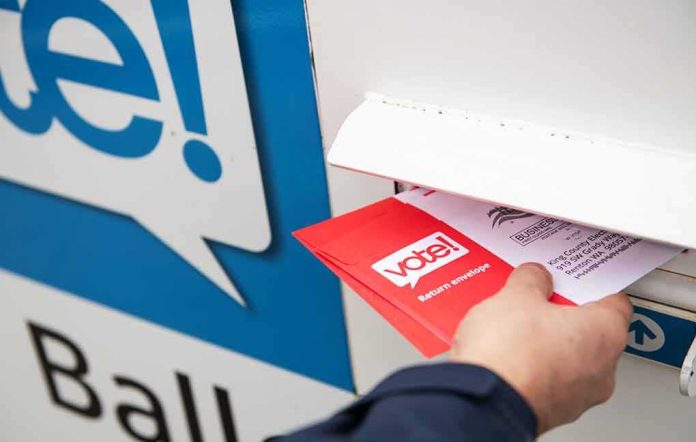
A federal judge froze key parts of the Postal Service’s new mail-ballot rule weeks before voting, signaling the changes could block lawful ballots if rushed now.
Story Snapshot
- A Massachusetts federal court issued a 14-day order pausing major parts of the USPS rule.
- Twenty-five states and voting groups say the rule would burden mail voting and risk ballot rejections.
- USPS defends the rule as standardizing envelopes to speed delivery and cut errors.
- The White House says unique ballot identifiers help protect election integrity.
What the Court Did and Why It Matters
U.S. District Judge Indira Talwani granted a temporary restraining order that blocks the United States Postal Service from enforcing core parts of its “Ballot Mail for Federal Elections” rule. The order lasts 14 days while a broader injunction is briefed. The court said challengers showed a risk of immediate harm if the rule took effect so close to November. The pause keeps states from scrambling to change ballot envelopes and systems at the last minute.
The ruling followed lawsuits from a coalition of states and voting rights groups. Massachusetts Attorney General Andrea Joy Campbell led one complaint. The American Civil Liberties Union announced parallel relief in the League of Women Voters of Massachusetts case. The states argue the rule would force new designs, new tracking, and new uploads during peak election prep. They say those steps could slow mail, confuse voters, and trigger ballot rejections.
What the USPS Rule Would Change
The rule sets new national standards for federal ballot mail. It requires ballots to use the official Election Mail logo, carry a unique barcode and a ballot-specific tracking code, fit automated sorting machines, and pass a Postal Service design review. Supporters say automation-ready envelopes move faster and reduce manual errors. They argue that standard formats help machines spot and route ballots more reliably across the country.
The Postal Service also updated guidance that election offices should use First-Class Mail for ballots sent to voters. Officials say that service level helps deliver ballots on time, especially as deadlines near. The agency frames these steps as operational, not about who may vote. It says the rule does not let postal workers inspect ballot choices, judge voter eligibility, or audit voter rolls. It focuses on design, tracking, and delivery speed.
How the White House and USPS Defend the Plan
The White House links unique envelope identifiers to election integrity. It says scannable codes create an audit trail that can deter fraud and confirm proper handling without burdening lawful voters. The administration argues that standardization and tracking protect both access and security. The Postal Service echoes that view, stating that automation-compatible envelopes cut hand sorting and error risks. That, it says, helps ballots move quickly and predictably during a surge.
USPS statements also stress limits. The agency says any ballot portal tied to the rule would not collect sensitive personal data like birth dates or Social Security numbers, and the identifiers would not let it review voter eligibility. The Postal Service has further said it will not implement the rule for the 2026 election unless courts lift the injunctions, signaling it will hold during litigation. That stance aims to reduce confusion for election officials and voters.
Why Both Sides See High Stakes
State officials and voting groups warn that changing ballot envelopes and systems now could upend months of planning. They argue that design reviews and new barcodes would force reprinting, vendor changes, and retraining, which could lead to late mailings and more rejected ballots. They point to past election cycles where tight deadlines and postal slowdowns created stress points in vote-by-mail. Courts often weigh timing and administrative burden heavily in such disputes.
Supporters of the rule say the common standards solve the very problems that appear in crunch time. They claim one national template helps postal machines find ballots faster, while tracking codes create a clear chain of custody. They argue that better sorting and data reduce misrouted mail and cutoffs that hit rural, military, and low-income voters hardest. They see the pause as delaying fixes that would make delivery fairer and more reliable at scale.
The Bigger Pattern and What Comes Next
This fight fits a pattern from recent elections: last-minute clashes over mail voting rules attract fast lawsuits and short court orders. Judges try to avoid chaos by keeping systems stable close to Election Day while they review the merits. Expect more filings and possible appeals within days. If the pause holds, states will likely run November with current designs. If it lifts, officials may face a sprint to comply with the standards before ballots go out.
Sources:
feedpress.me, mass.gov, thealpenanews.com, jurist.org, opb.org, clearinghouse.net, wisdoj.gov, washingtonexaminer.com, democracydocket.com