

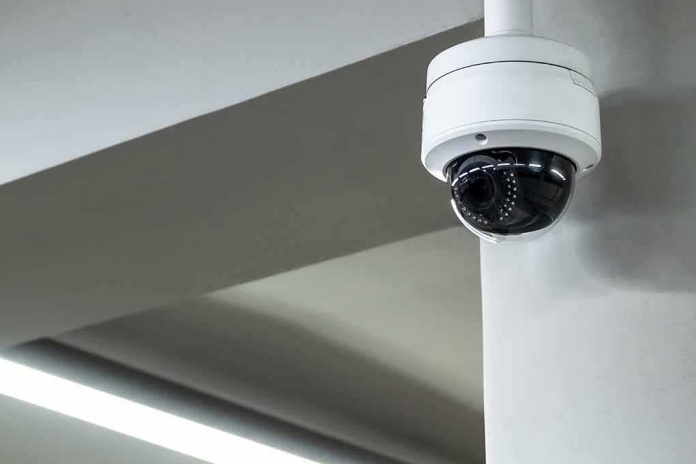
President Trump praised Flock license-plate cameras as crime-fighting tools while courts and cities ramped up battles over how far this surveillance should go.
Story Highlights
- Trump voiced support for Flock cameras as cities, courts, and advocates clash over privacy.
- Flock cites big gains in cases solved and missing people found, based on its internal census.
- A Washington judge ruled Flock images are public records, fueling open-records fights.
- Privacy groups press for warrants and tighter rules; some police agencies walked away.
What Trump’s Praise Signals About Crime And Surveillance
President Trump said he likes Flock cameras as a tool against crime. His comment lands in a moment when many voters feel unsafe and let down by leaders. Police say the devices help them catch car thieves, find suspects, and recover guns. Flock points to large gains tied to its network. Supporters argue the tools back up thinly staffed departments. Critics warn the same scale that helps police can also track the innocent and chill free speech.
Flock markets the cameras as simple sensors that read plates, alert officers, and store brief clips. The company’s 2025 Impact Census claims its system supported more than one million investigations, helped solve a fifth of cleared cases, and aided in finding over ten thousand missing people. Those numbers, reported by the vendor, aim to show value for taxpayers. Police leaders point to similar trends in theft declines and faster case clears cited in research summaries.
Evidence Cited For Results, And Where It Falls Short
Independent and vendor-linked analyses say the cameras help clear more cases. One study summary shared with police professionals linked one camera per officer to a nine percent rise in clearance rates, suggesting more hits lead to more arrests. Separate company materials estimate about seven hundred thousand crimes solved each year, or ten percent of reported crime, though that figure relies on Flock’s own modeling. Skeptics note vendor data can be selective and want more peer-reviewed work in varied cities.
Courts are shaping limits as the network grows. A Washington state judge ruled images from these cameras are public records. That means the public can request them from cities that deploy the tools, even if the police did not download the files. The ruling has triggered settlements and more records lawsuits. Open-records wins add sunlight. But they also raise new risks, as mass data releases could expose routine travel of everyday drivers along with suspects.
Privacy Fights, Warrant Demands, And Agency Pullbacks
Privacy groups argue that always-on plate scans create a dragnet. They say officers can query past travel without a judge’s sign-off and that the system captures people not suspected of crimes. The American Civil Liberties Union has pushed for warrant rules and says company guardrails are not enough. Some news reports say a few cities and residents are revolting against the cameras, pressing councils to cancel contracts and curb broad data sharing.
Amen brother! Use that money to get some help on defense! Half joking about using state tax dollars for getting players for wvu, but 100% agreement on getting rid of flock cameras.
— gouvysir95 (@gouvysir) September 15, 2026
One large department has already walked away. The Los Angeles Police Department let its Flock contract expire, citing serious civil liberties and privacy concerns over what data is gathered and how long it is held. That move matters because big agencies often set trends for smaller cities. It also shows how governance, not just gadgets, decides whether a tool earns public trust. When leaders cannot explain rules clearly, backlash fills the gap.
Why Both Sides See The Same System So Differently
Supporters stress outcomes: stolen cars found, suspects caught, and missing people located. They see cameras as force multipliers that help underfunded departments do more with less. They also note some courts have said these systems can be used within the Constitution, and open-records rulings can add needed oversight. For many residents hit by theft and repeat crime, fast alerts feel like common sense, not overreach.
Critics stress aggregation and time. They say the power comes from linking many cameras across regions and saving the hits. Over weeks or months, that can map where people worship, get care, or protest. They warn that such patterns can chill speech and be misused. They want firm rules on retention, sharing, and access, with real penalties for abuse. They also want judges, not software defaults, to decide when deep searches are allowed.
What To Watch Next: Guardrails, Transparency, And Local Control
Cities are testing shorter data retention, narrower sharing, and clearer audit logs. Flock has promoted a seven-day default and an “evidence mode” setting to lock down sensitive searches, steps aimed at calming public anger. Privacy groups still want warrants for database queries. Expect more state laws to set uniform rules, more lawsuits over records and retention, and more councils weighing cost, safety, and civil rights in public hearings.
The bottom line is trust. People on the right and left are tired of systems that seem to watch them while failing to stop crime. If leaders want buy-in, they must prove the cameras target crime, not daily life. That means hard limits, fast audits, swift discipline for abuse, and clear proof of results from independent reviewers. Without that, praise from the White House will not quiet a public that feels monitored but not protected.
Sources:
zerohedge.com, flocksafety.com, police1.com, theguardian.com, techcrunch.com, csmonitor.com