
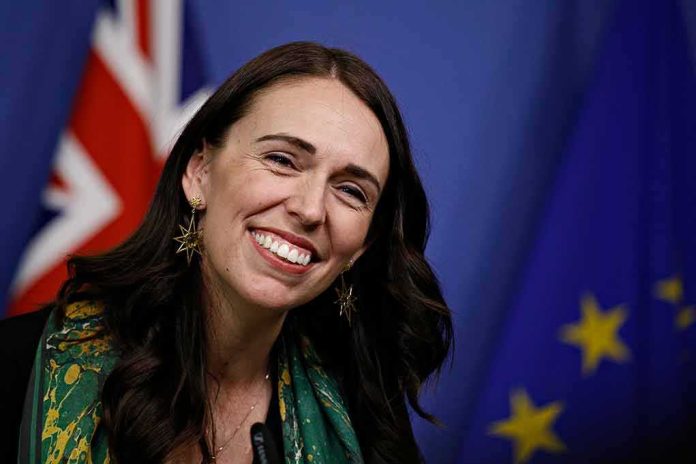
Tatiana Maslany used a high-profile interview to argue that silence on Gaza and power in Hollywood makes people complicit, pushing a fresh fight over whether stars should turn entertainment into politics.
Story Highlights
- Maslany called Israeli actions in Gaza “genocide” and urged public figures to speak out, saying silence has higher stakes.
- She linked celebrity platforms, corporate power, and artificial intelligence to moral duty, saying “all entertainment is political”.
- Critics framed her stance as demanding that celebrities center left-wing politics, a claim not directly supported by the interview text.
- Other stars argue the opposite, saying celebrities should avoid politics to prevent division or misuse of influence.
What Maslany Said And Why It Landed
On September 14, actress Tatiana Maslany discussed Gaza, artificial intelligence, and media consolidation in an interview with Zeteo. She said speaking out carried risks but argued the risk of staying silent was greater. She used the word “genocide” for Israeli actions and urged action from Canadian leaders. She said art is political and should unsettle people. These remarks match past comments where she urged an end to funding for the war and criticized tech use in Hollywood.
Clips shared on social media stressed her view that public figures are part of a system and must speak about it. That framing placed moral weight on speech and tied it to complicity. The core ideas were that platforms come with duty, and that industry choices affect real lives. The shares used short quotes that traveled fast, which helped supporters rally but also made pushback sharper for those who reject that framing.
Claims About “Making Everything Political”
A partisan outlet said Maslany was annoyed at other celebrities for not making everything about left-wing politics. That headline built on the same interview but did not show her saying that exact phrase. The Zeteo write-up shows she urged speech and argued art cannot be separated from politics. It does not prove she scolded peers for failing to center “everything” on any single ideology. The strongest verifiable claims come from the interview summary itself.
This matters because heated headlines can move faster than the source material. When a summary replaces a transcript, precision gets lost. Readers get a caricature instead of context. The record shows Maslany’s clear positions on Gaza, artificial intelligence, and corporate power. It does not document a blanket demand that all stars speak on all causes. This gap is small in wording but large in meaning for public debate.
The Wider Split In Celebrity Speech
Other public figures have argued for staying out of politics. Paris Hilton said celebrities should not discuss politics and should not sway people’s choices. Major outlets reported a general cooling in Hollywood on political endorsements after recent backlash cycles. Some actors say experts know more and that their role is to entertain. This creates a sharp contrast with Maslany’s “duty to speak” view and shows why the argument keeps returning.
Academic and media reporting show backlash often follows celebrity political speech. Support drops when audiences disagree with the message. Some industries urge talent to avoid risk because brands fear controversy. That pressure can chill speech on any side. Maslany’s comments about risks reflect that climate. Her choice to speak anyway underlines the current divide over platform power, responsibility, and who pays the cost when words spark anger or boycotts.
Power, Platforms, And Public Trust
Maslany tied artificial intelligence in Hollywood and corporate mergers to fewer voices and less control for workers. She called artificial intelligence “stealing” and warned about lost creative freedom. She linked that to why public voices matter. People across the spectrum share concern that big institutions protect themselves first. Whether one agrees with her politics or not, the theme that power concentrates while workers lose leverage is widely felt today.
tatiana maslany next in line danny dolan matt blanchette andersonvision interview clip 2 pic.twitter.com/JpejePdwPQ
— 🖤 (@sestramedia) September 23, 2026
Here is the bottom line for readers who feel both parties and the industry elites fail them. Maslany argues silence helps the powerful keep course. Her critics argue loud celebrity politics deepen division and distract from facts. Both claims speak to a trust gap. The practical test is simple: does public speech bring clearer facts and fair debate, or does it become branding and noise? That is the standard many Americans now want applied to everyone with a platform.
Sources:
thegatewaypundit.com, podcasts.apple.com, comicbasics.com, x.com