

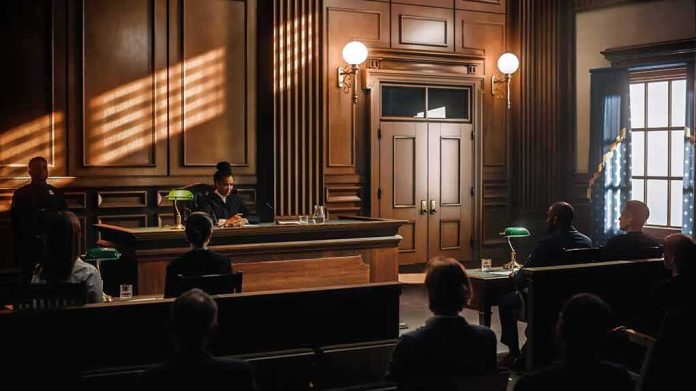
A Hong Kong court convicted two Tiananmen vigil organizers of “inciting subversion,” turning a memorial tradition into a national security crime.
Story Highlights
- Judges found Lee Cheuk-yan and Chow Hang-tung guilty of inciting subversion under the security law.
- The charge stems from leadership of the Hong Kong Alliance tied to June 4 commemorations.
- Advocacy groups say the case punishes peaceful remembrance and free speech.
- The ruling fits a wider clampdown on Hong Kong’s civil society since 2020.
What The Court Decided And Why It Matters
Hong Kong’s Court of First Instance ruled that Lee Cheuk-yan, 69, and Chow Hang-tung, 41, committed “incitement to subversion” linked to their roles in the Hong Kong Alliance, the group that organized the city’s Tiananmen vigils. The pair had faced national security charges since 2021 and pleaded not guilty, with a potential sentence of up to 10 years. The verdict marks a shift from policing events to criminalizing the leadership and message behind them.
Prosecutors argued the Alliance’s long-standing call to “end one-party dictatorship” showed intent to undermine state power. Judges had earlier found there was a case to answer, signaling the evidence met the threshold under the security law. The court’s reading treats political speech, group aims, and public mobilization as a combined security threat when framed against state authority. That approach narrows room for dissent and redefines civic memory as risk.
How The Defendants And Rights Groups Responded
Chow told the court she sought to “incite others not to forget June 4,” not to spark an illegal assembly or subversion, and argued the case flips right and wrong by criminalizing truth-telling and remembrance. Amnesty International called the proceedings unjust and said commemorating victims is compassionate, not criminal. These responses reflect a broader warning from rights groups that the national security law blurs lines between peaceful advocacy and crimes against the state.
Earlier court actions in related matters show mixed signals. Hong Kong’s top court overturned convictions of other former vigil organizers for refusing to provide police information, citing legal grounds unrelated to subversion guilt or innocence. That narrow win did not alter the core trend: security cases proceed, and speech about June 4 remains chilled. Today’s verdict adds a binding judgment on subversion incitement to that record, raising stakes for future memorials and civic groups.
The Bigger Picture For Hong Kong And Beyond
Since 2020, the national security law has reshaped Hong Kong’s public life, with experts calling it one of the greatest threats to rights and the rule of law since the 1997 handover. Reports describe arrests, the closing of groups, and the steady erosion of space for free association and media. The move from event bans to organizational liability is key: it deters leadership, drains institutions, and leaves citizens unsure what speech is safe.
🚨 Hong Kong Watch strongly condemns the guilty verdict in the trial of #HongKong Tiananmen vigil leaders Chow Hang-tung and Lee Cheuk-yan, who face up to ten years in prison for seeking the truth and commemorating those who sacrificed their lives for democracy.
Read our… pic.twitter.com/wGq2NIM1Fb
— Hong Kong Watch (@hk_watch) August 21, 2026
For Americans on both left and right who worry about distant elites and unaccountable power, the lesson is sobering. When governments label broad categories of speech as security threats, citizens lose the tools to check those in charge. Today’s ruling shows how fast a community ritual can become a crime when the law tilts toward control. Free societies stay free when people can speak, gather, and remember without fear of prison for their words.
Sources:
independent.co.uk, abcnews.com, hklabourrights.org, amnesty.org, frontlinedefenders.org, today.rtl.lu, srdefenders.org, briankernkongtsunggan.substack.com